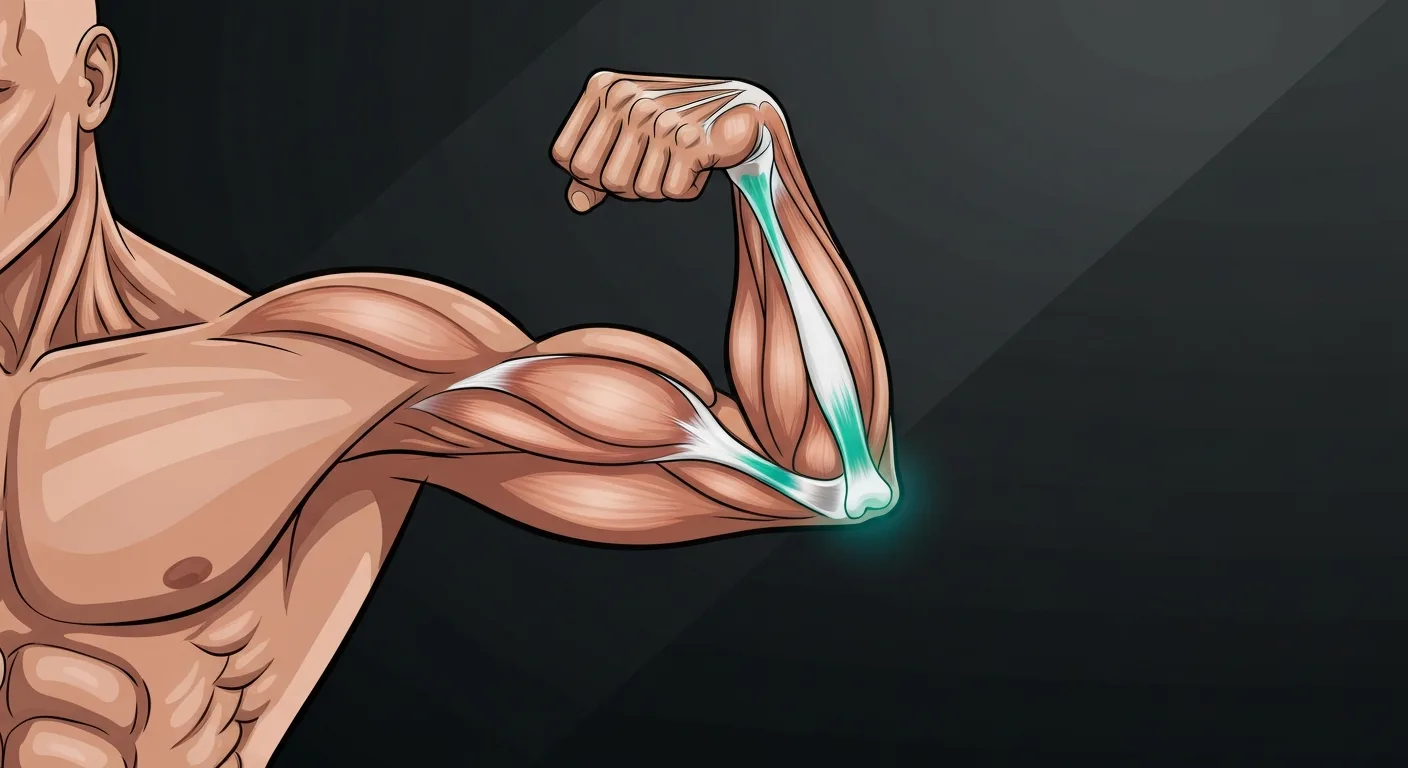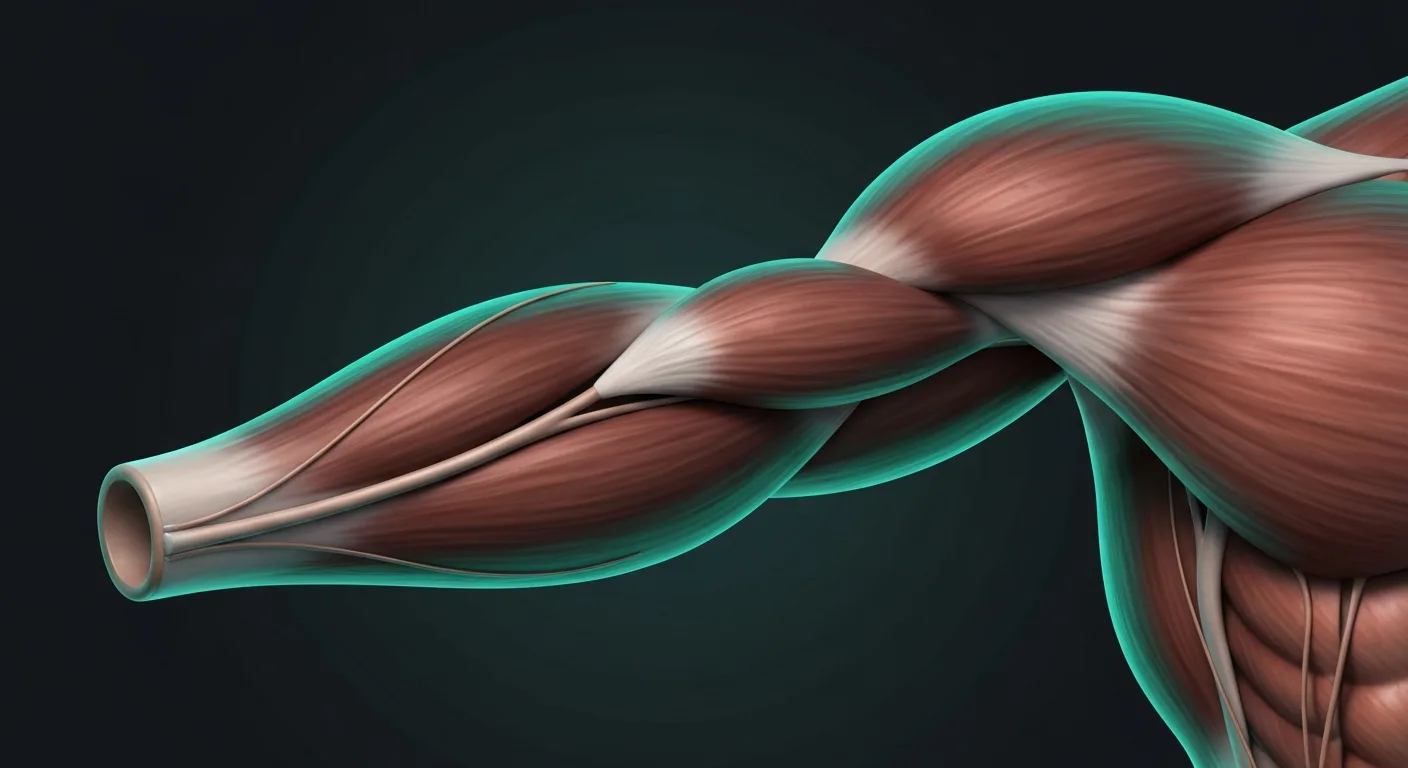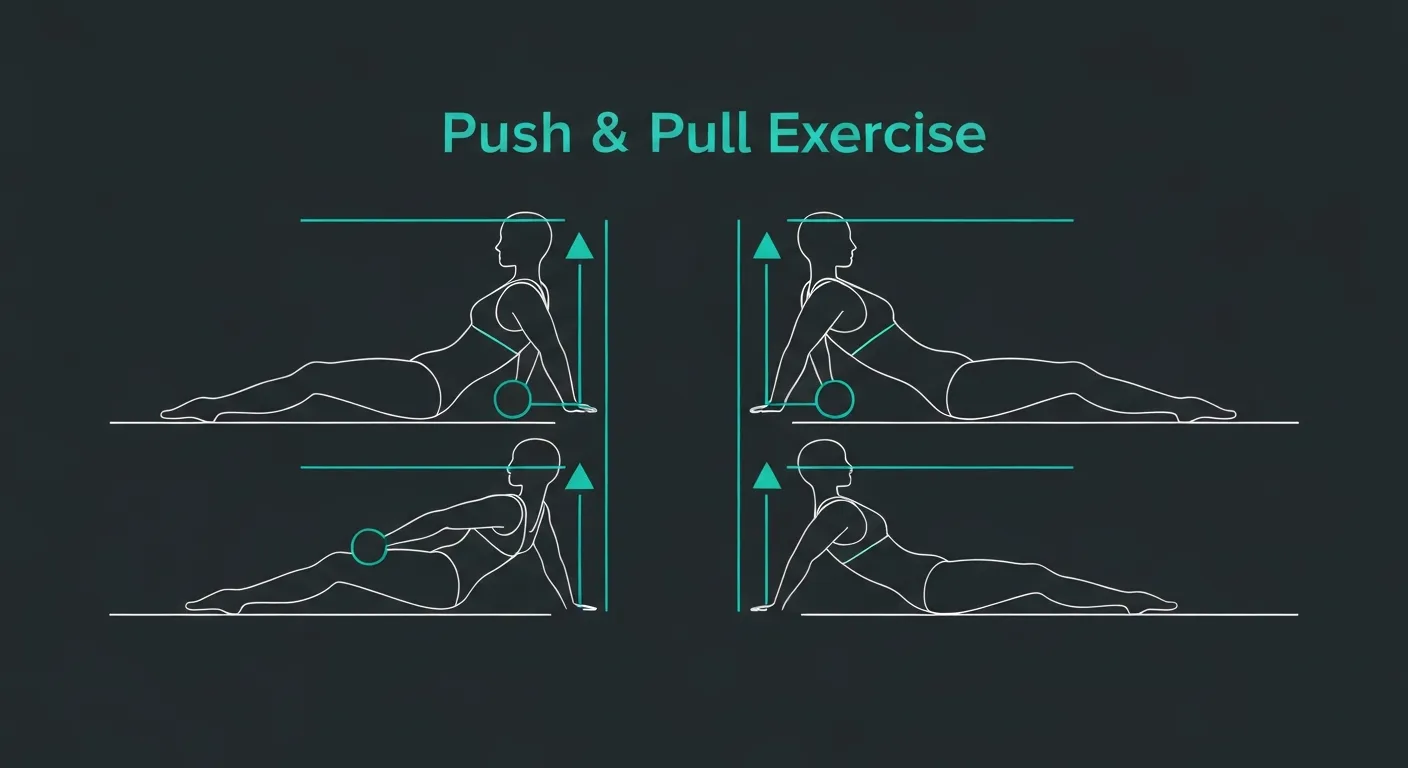
A tricep extension is a push exercise. The triceps brachii extends (straightens) the elbow, which is a pushing movement. All tricep exercises — extensions, pushdowns, dips, and pressing — belong in the "push" category for training splits.
Why Tricep Extensions Are Push Exercises
The push/pull classification is based on the muscle's action at the joint, not the direction of resistance. The triceps push the forearm away from the upper arm. This is the same action whether you are doing a bench press, a pushdown, or an overhead extension.
The confusion arises because a cable pushdown involves pulling a cable downward, and an overhead extension involves lifting weight upward. But the relevant action is at the elbow: the triceps are extending it, which is a push.
Where Triceps Fit in a Push/Pull/Legs Split
Push day: Chest (bench, flyes), shoulders (overhead press, lateral raises), and triceps (extensions, pushdowns, skull crushers). All three groups work together during pressing.
Pull day: Back (rows, pull-ups), biceps (curls), rear delts. Pulling muscles.
Placing tricep work on push day ensures adequate recovery before the next push session. Training triceps on pull day creates a recovery conflict.
The Exception: Arm Day
Some lifters combine bicep and tricep work in a dedicated arm day. The bicep curl to tricep extension combo is an example. The tricep exercises are still push movements by classification — you are simply programming them alongside antagonist muscles for efficiency.
Practical Application
On push day, order compound to isolation: bench first, then overhead press, then direct tricep work (pushdowns, extensions). Triceps are pre-fatigued from pressing, so 2 to 3 isolation exercises suffice. If your triceps feel weak, occasionally move isolation before compounds to prioritize them.