Tricep implants are custom-shaped silicone prosthetics surgically placed in the upper arm to enhance size and definition. They cost $5,000 to $10,000 per arm, require 4 to 6 weeks of recovery, and carry risks including infection, displacement, and capsular contracture. They are a cosmetic option for people who have maximized their natural tricep development through training.
What Are Tricep Implants?
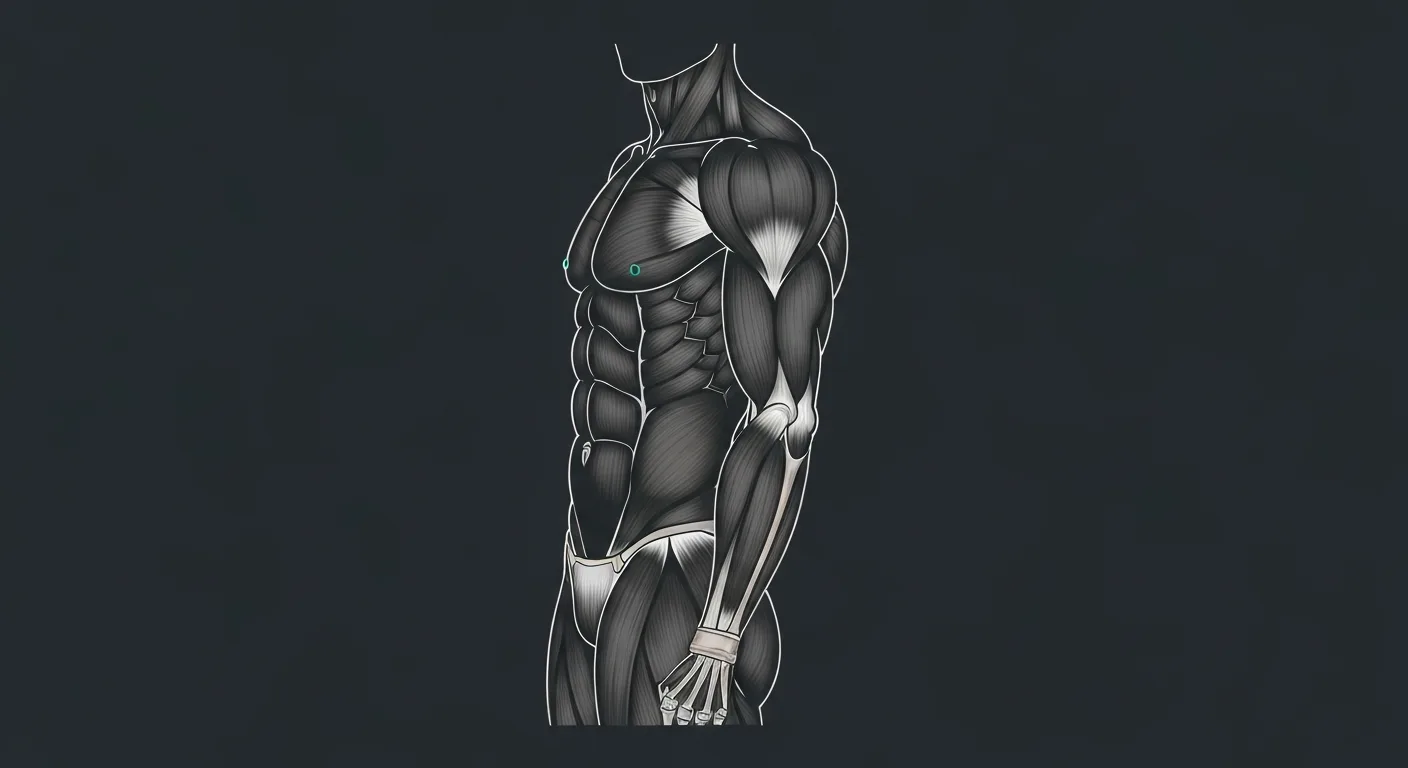
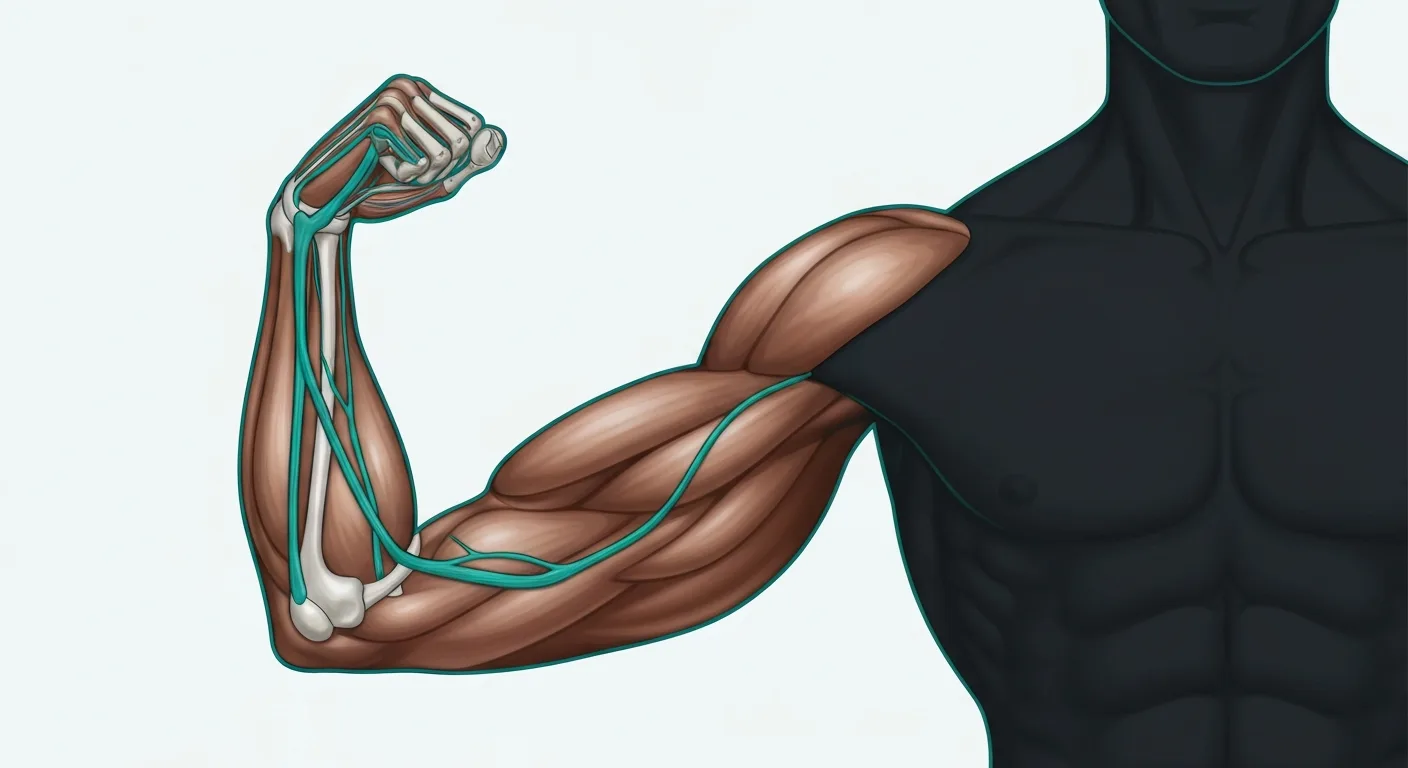
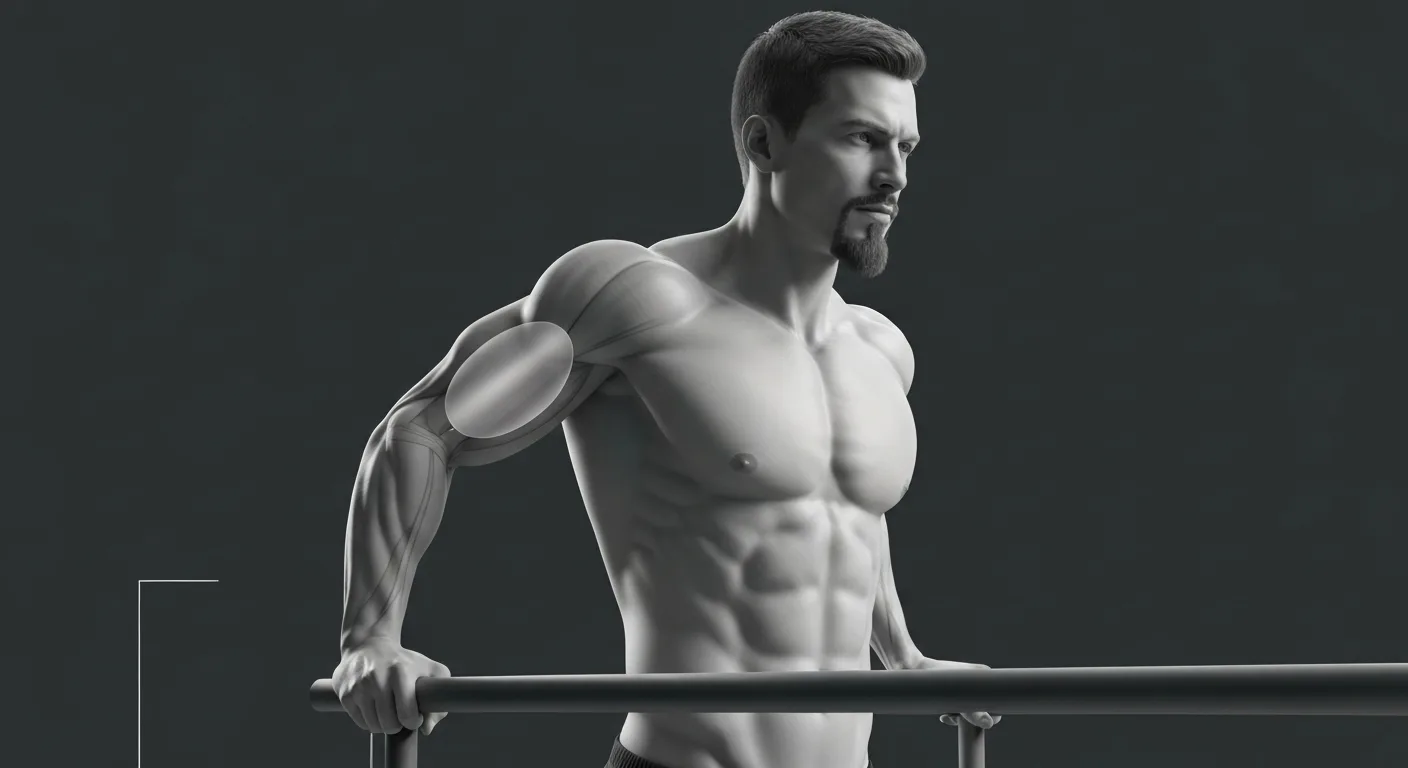
Tricep implants are solid silicone prosthetics custom-shaped to mimic the appearance of the three heads of the triceps. Unlike breast implants (which are gel or saline-filled), body implants for the arms are solid, semi-flexible silicone that maintain their shape permanently. They are placed through a small incision (usually in the armpit crease or posterior elbow fold) and positioned under the fascia or within the muscle compartment.
This is a cosmetic procedure — it does not increase actual muscle strength or function. It enhances the visual appearance of the upper arm by adding volume where the natural muscle is genetically limited.
The Procedure
Tricep implant surgery is typically performed under general anesthesia and takes 1 to 2 hours per arm. The surgeon creates a pocket for the implant through an incision in a natural skin fold (to minimize visible scarring). The implant is positioned either sub-fascially (under the fascia, over the muscle — most common) or sub-muscularly (under the muscle — less common, longer recovery).
Custom implant sizing is done during consultation — the surgeon assesses your existing tricep anatomy, desired outcome, and arm proportions. Standard implant sizes range from small (adding 1 to 2 cm of circumference) to large (adding 3 to 5 cm). Most procedures are outpatient — you go home the same day.
Cost
Expect $5,000 to $10,000 per arm for the complete procedure. Bilateral (both arms) typically costs $8,000 to $16,000. Factors affecting cost include surgeon experience and reputation, geographic location (major cities cost more), facility and anesthesia fees, and custom versus standard implant sizing. This is elective cosmetic surgery and is not covered by health insurance.
Recovery Timeline
Weeks 1 to 2: Swelling, bruising, and discomfort. Arm use is limited — no lifting, pushing, or pulling. Pain medication as prescribed. Compression garment worn on the arms.
Weeks 2 to 4: Swelling begins to resolve. Light daily activities resume. No exercise involving the arms. Incision care continues.
Weeks 4 to 6: Most swelling resolved. Light cardio and lower body training can resume. No direct arm training.
Weeks 6 to 12: Gradual return to upper body training. Start with very light weights and progress slowly. Full training typically resumes at 8 to 12 weeks with surgeon clearance. The implants settle into their final position over 3 to 6 months.
Risks and Complications
Infection (2 to 5 percent) — can require implant removal. Implant displacement or rotation — the implant shifts from its intended position. Capsular contracture — the body forms a hard scar tissue capsule around the implant, causing firmness and sometimes distortion. Nerve damage — the radial and ulnar nerves run near the surgical area. Asymmetry — slight differences between arms. Dissatisfaction — results may not match expectations.
Revision surgery rates run approximately 5 to 10 percent. Choosing a board-certified plastic surgeon with specific experience in body implants (not just breast or facial implants) significantly reduces complication risk.
Alternatives to Implants
Before considering implants, ensure you have genuinely maximized natural development. Most people undertrain the triceps — see our guide on why your triceps may be weak. A focused program hitting all three heads with the best exercises and proper weekly volume can produce significant results over 6 to 12 months.
Other alternatives include fat grafting (transferring fat from another area to the arms — less predictable results but uses your own tissue), and continued focused training with progressive overload. Implants are best reserved for people who have trained consistently for years and have genuinely reached their genetic ceiling for arm development.
Choosing a Surgeon
Seek a board-certified plastic surgeon with documented experience in body implants specifically (arm, calf, pectoral). Ask for before-and-after photos of previous tricep implant patients. Verify board certification through the American Board of Plastic Surgery. Schedule consultations with at least 2 to 3 surgeons before deciding. Be wary of prices significantly below average — quality implant surgery is not a discount procedure.