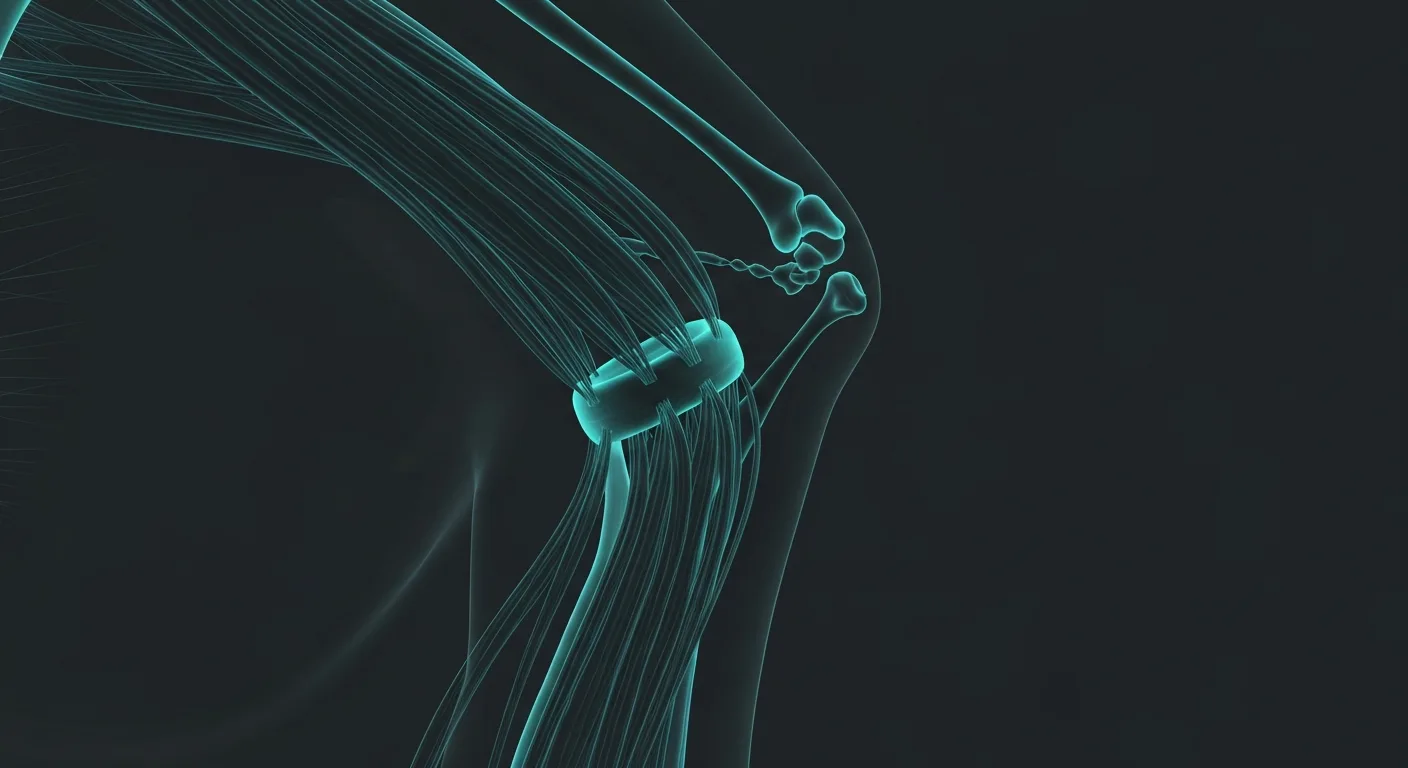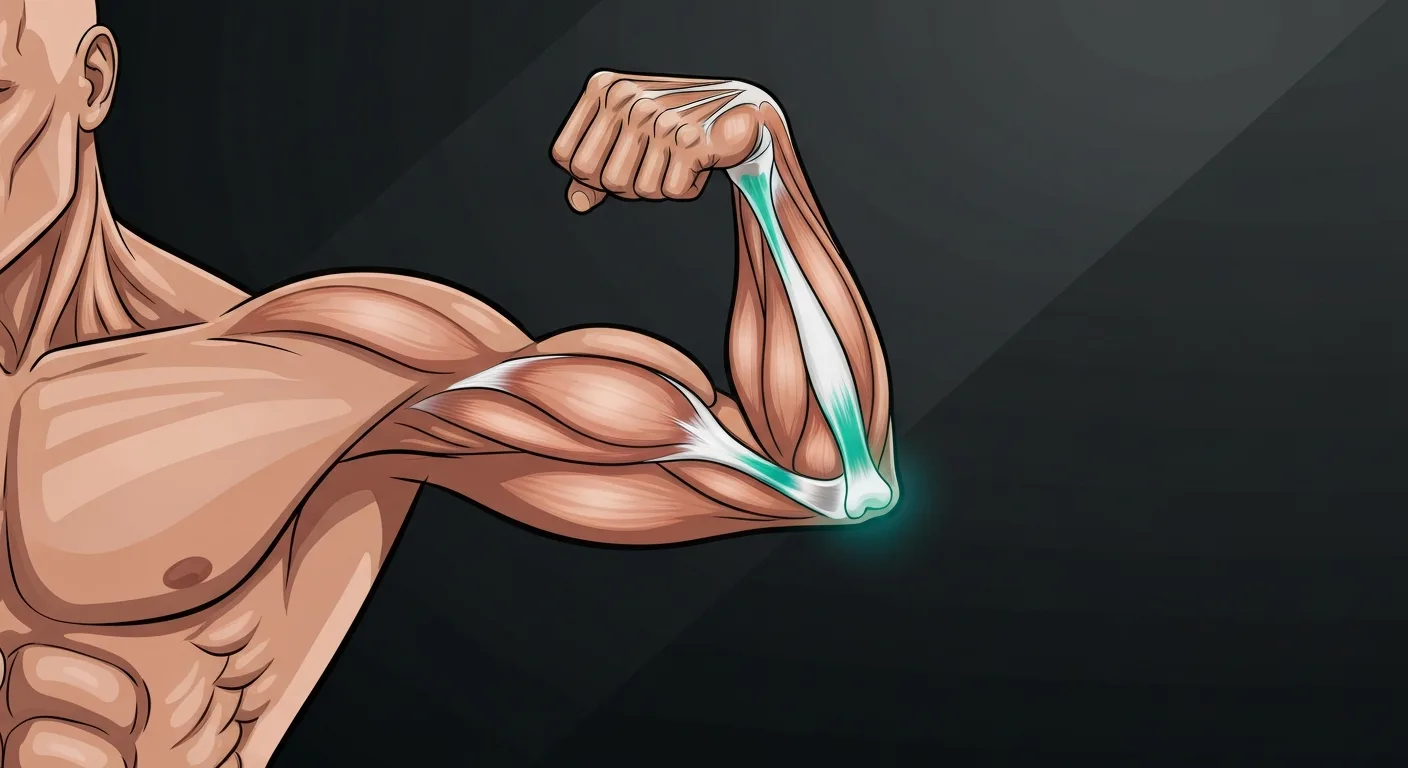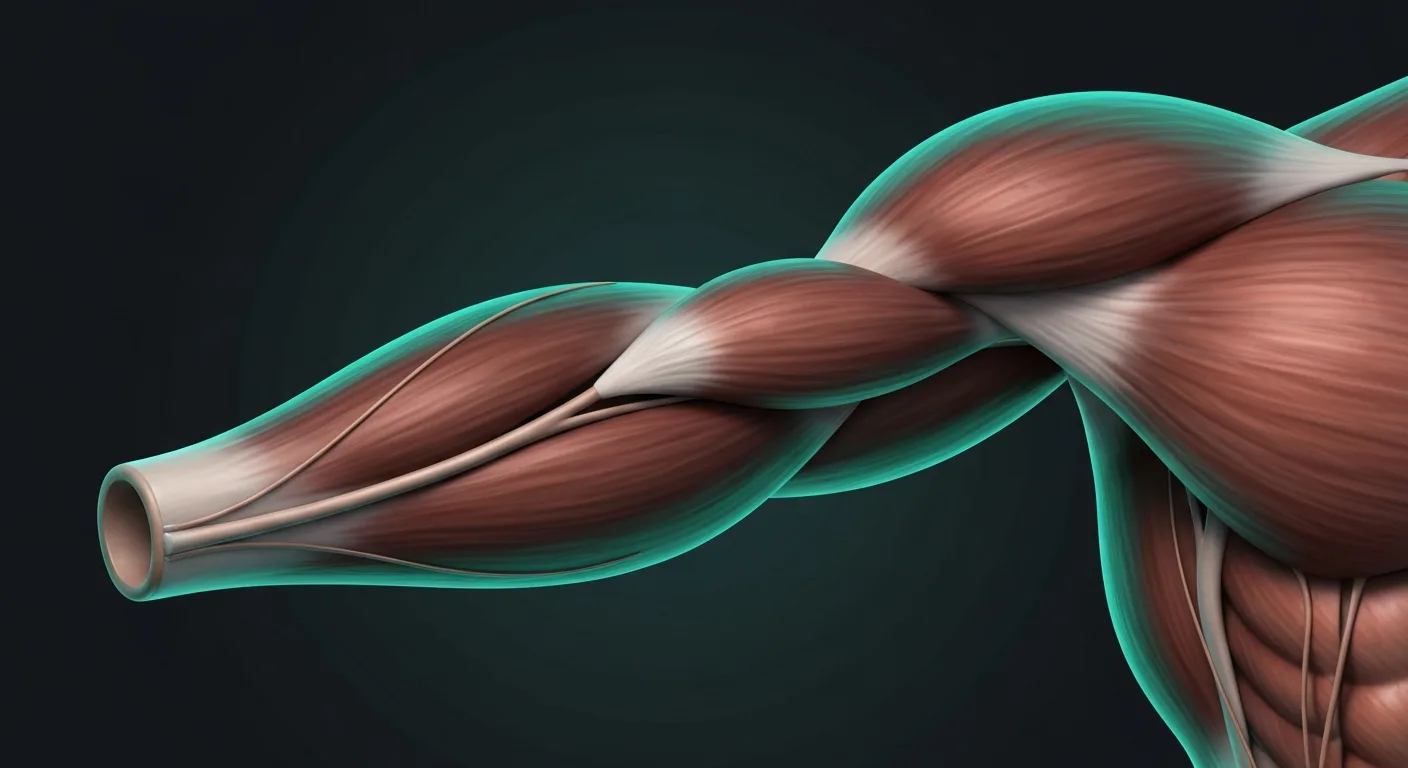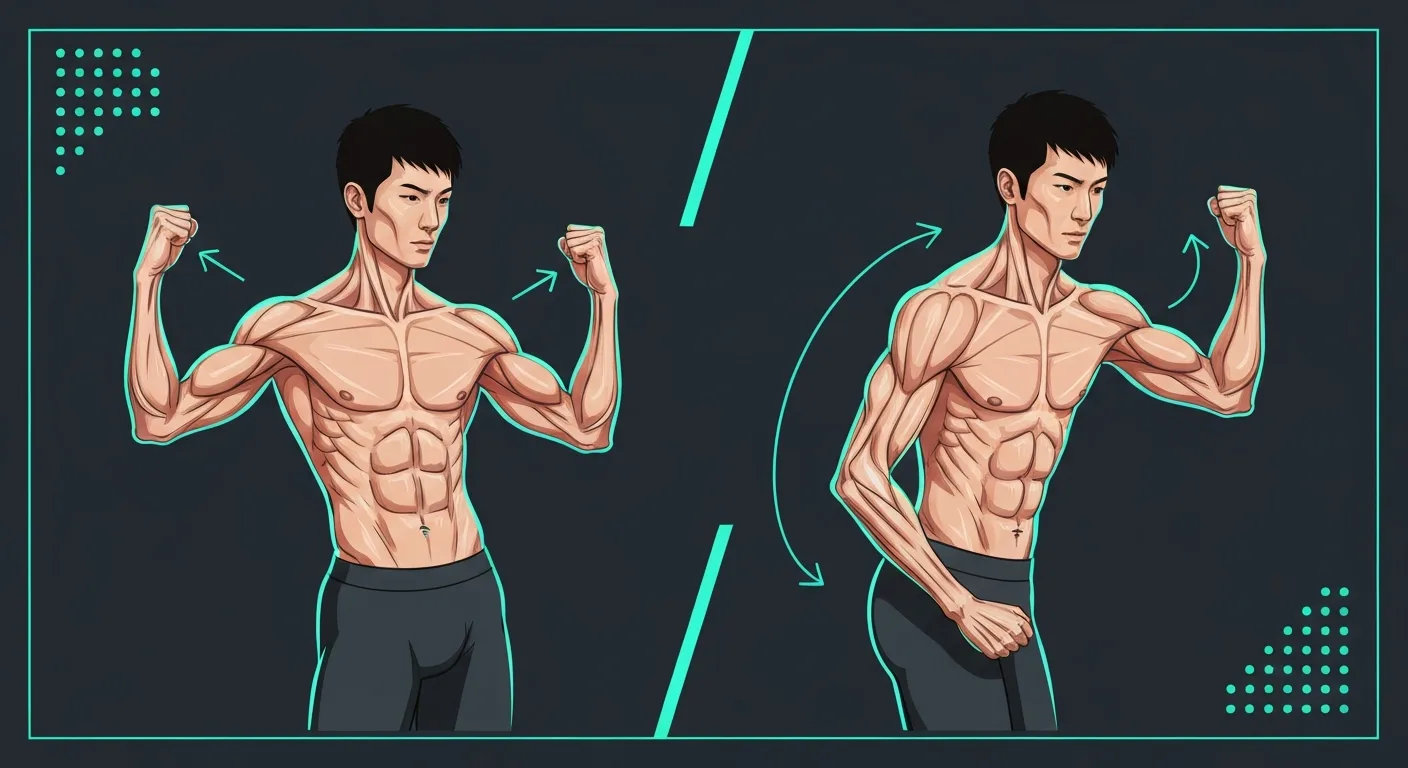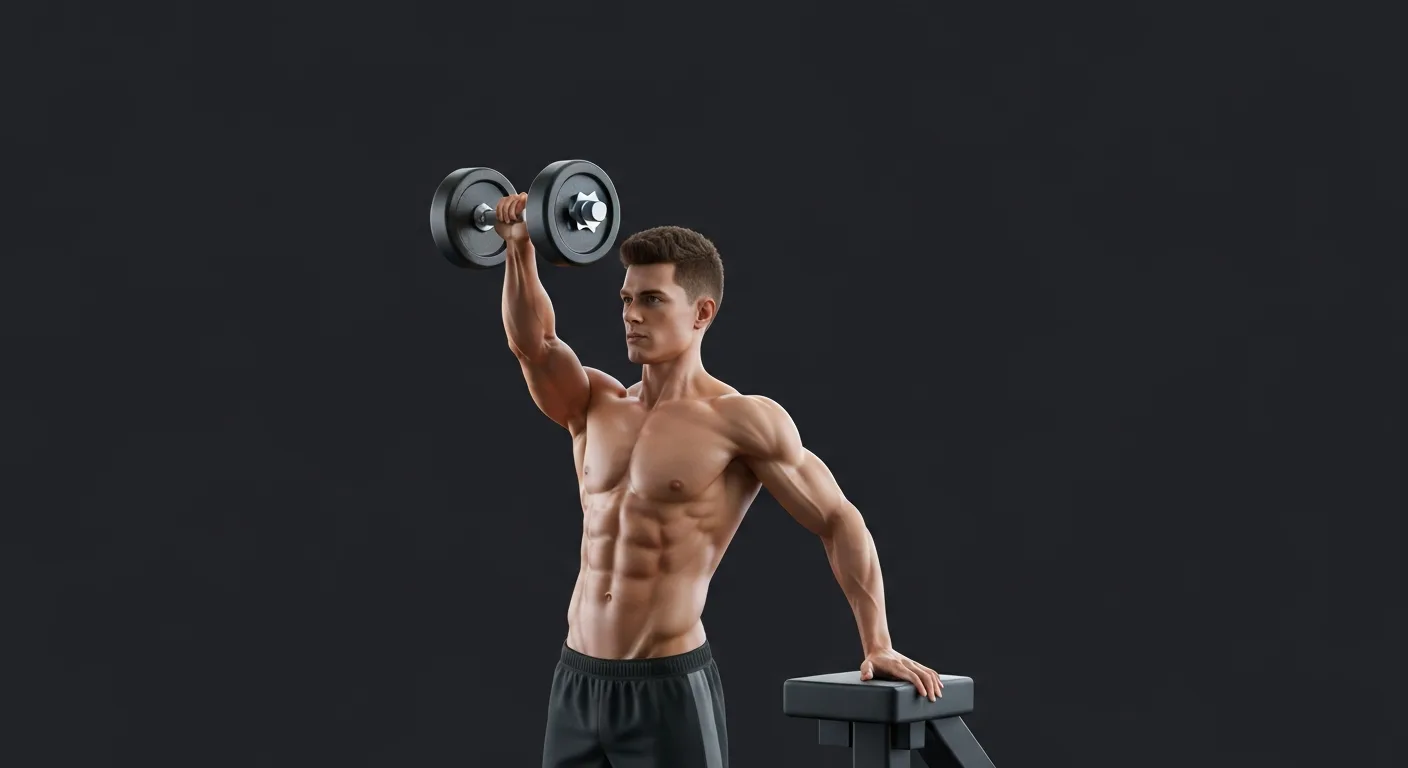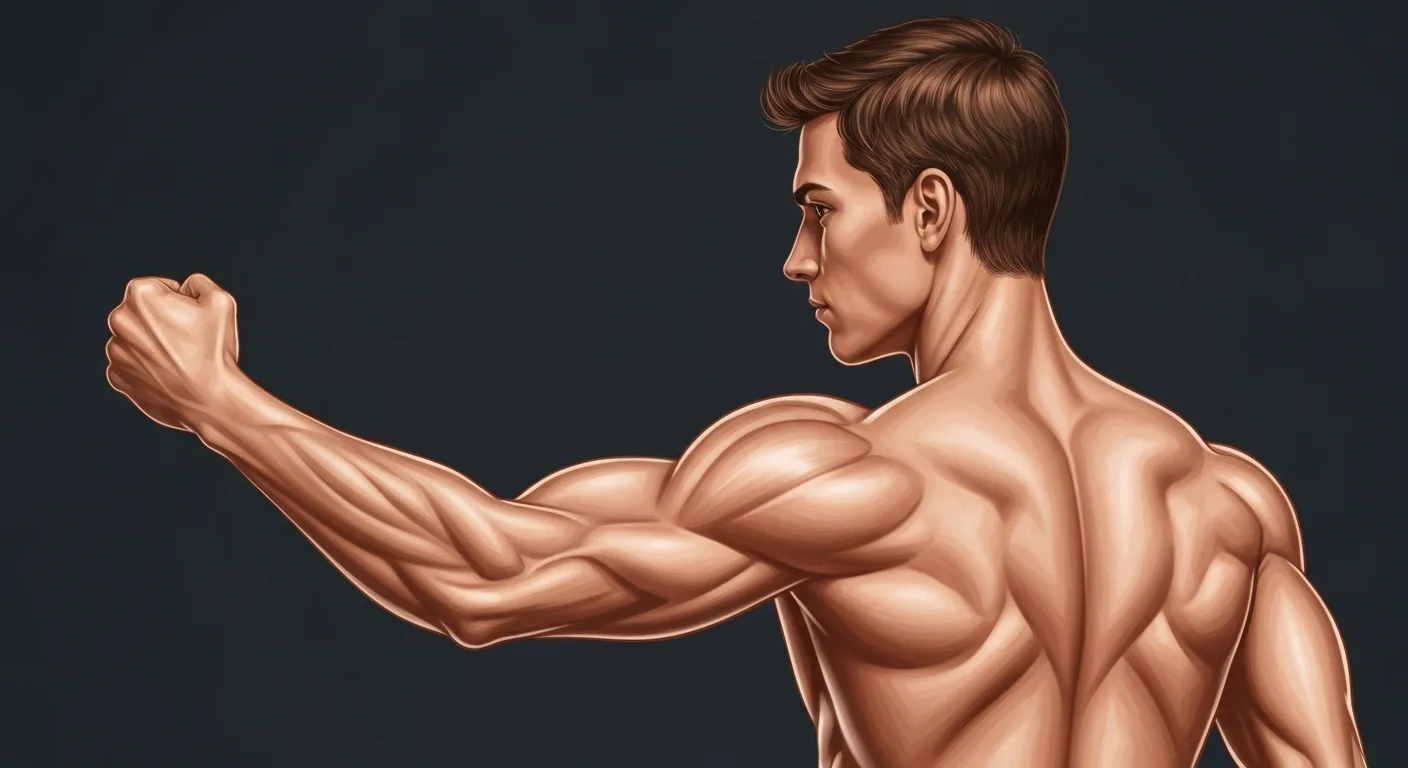
The three heads of the tricep are the long head, lateral head, and medial head. Each originates from a different point on the shoulder blade or upper arm bone but merges into a single tendon at the elbow. You can emphasize each head through specific exercise selection, but all three always work together during elbow extension.
Why the Three Heads Matter
The triceps brachii is not a simple single-belly muscle. Its three-headed structure means that different portions of the muscle are emphasized depending on shoulder position, grip orientation, and the direction of resistance. Training all three heads is essential for both visual development and functional strength.
If you only do pushdowns, you'll build decent lateral and medial head mass but leave the long head underdeveloped. If you only do overhead work, the reverse happens. A complete tricep program addresses each head intentionally.
The Long Head
Anatomy
The long head originates from the infraglenoid tubercle of the scapula — a small bump just below the shoulder socket on the shoulder blade. It is the only head that crosses the shoulder joint, making it a biarticular muscle (acting on two joints: the shoulder and elbow).
It runs along the inner-posterior aspect of the upper arm, sitting between the lateral head (on the outside) and the medial head (on the inside, deeper). When well-developed, the long head creates visible arm thickness from the side view and gives the tricep its full, rounded look from behind.
Function
The long head extends the elbow like the other two heads, but it also assists with shoulder extension (pulling the arm backward) and shoulder adduction (pulling the arm toward the body). Because it crosses the shoulder, its contractile tension is influenced by shoulder position. When the arm is overhead, the long head is stretched to its greatest length, which places it in a mechanically advantageous position to contract forcefully.
Best Exercises for the Long Head
Any exercise that places the shoulder in flexion (arm overhead or above the head) preferentially loads the long head:
- Overhead tricep extensions — dumbbell, cable, or barbell
- Incline overhead extensions — lying on an incline bench, extending behind the head
- Skull crushers — when performed with the arms angled slightly behind vertical, increasing long head stretch
- French press variations
The Lateral Head
Anatomy
The lateral head originates from the posterior surface of the humerus, superior to the radial groove. It sits on the outer side of the upper arm and is the most visible head when the tricep is flexed or viewed from behind.
The lateral head is responsible for the classic "horseshoe" shape that well-developed triceps display. When lean enough, you can see the distinct separation between the lateral head and the long head, forming the outer ridge of the horseshoe.
Function
The lateral head extends the elbow. Unlike the long head, it does not cross the shoulder joint, so its function is limited to the elbow. It is most heavily recruited during high-force extension movements — particularly pressing movements with the arms at the sides or slightly in front of the body.
Best Exercises for the Lateral Head
Exercises that keep the arms at or below shoulder height and use a pronated (palms-down) or neutral grip emphasize the lateral head. For a complete rundown, see our full lateral head tricep exercises guide:
- Tricep pushdowns with a straight bar or V-bar
- Close-grip bench press
- Diamond push-ups
- Parallel bar dips
The Medial Head
Anatomy
The medial head originates from the posterior surface of the humerus, inferior to the radial groove. It is the deepest of the three heads, lying underneath the long and lateral heads. It is only visible near the elbow in lean, well-developed arms.
Despite being the least visible, the medial head is arguably the most important for joint health. Its fibers blend into the elbow joint capsule, providing dynamic stabilization during both forceful and fine motor tasks.
Function
The medial head extends the elbow and stabilizes the elbow joint. EMG studies show it is active during all tricep movements, regardless of load or intensity. It serves as the workhorse of elbow extension — the other two heads are recruited progressively as demand increases, but the medial head is always firing.
Best Exercises for the Medial Head
Because the medial head fires during all tricep work, it does not require exotic exercise selection. However, certain movements emphasize it more than others. See our full medial head exercises guide:
- Reverse grip (supinated) pushdowns
- Close-grip push-ups
- Diamond push-ups
- Lighter, higher-rep extension work (the medial head dominates at lower intensities)
Quick Comparison Table
| Feature | Long Head | Lateral Head | Medial Head |
|---|---|---|---|
| Origin | Scapula (infraglenoid tubercle) | Humerus (above radial groove) | Humerus (below radial groove) |
| Crosses Shoulder | Yes | No | No |
| Size | Largest | Second largest | Smallest |
| Visibility | Side/rear view | Horseshoe shape (rear) | Inner arm near elbow |
| Best Emphasis | Overhead extensions | Pushdowns, pressing | Reverse grip, light work |
| EMG Activity | Moderate at low load, high at heavy load | Low at low load, high at heavy load | High at all loads |
Programming for All Three Heads
A well-rounded tricep program should include at least one movement from each category per training week:
- Overhead work — for long head emphasis
- Pressing/pushdowns — for lateral head emphasis
- Compound pressing — for overall mass, hitting all three heads
For specific exercise selection, see our ranked list of the best tricep exercises. And for a deeper look at the shared tendon anatomy where all three heads converge, see our tendon anatomy guide.
If you want to understand how the triceps fits into the broader arm muscles anatomy, including its relationship with the biceps and forearm muscles, that guide provides the full picture.