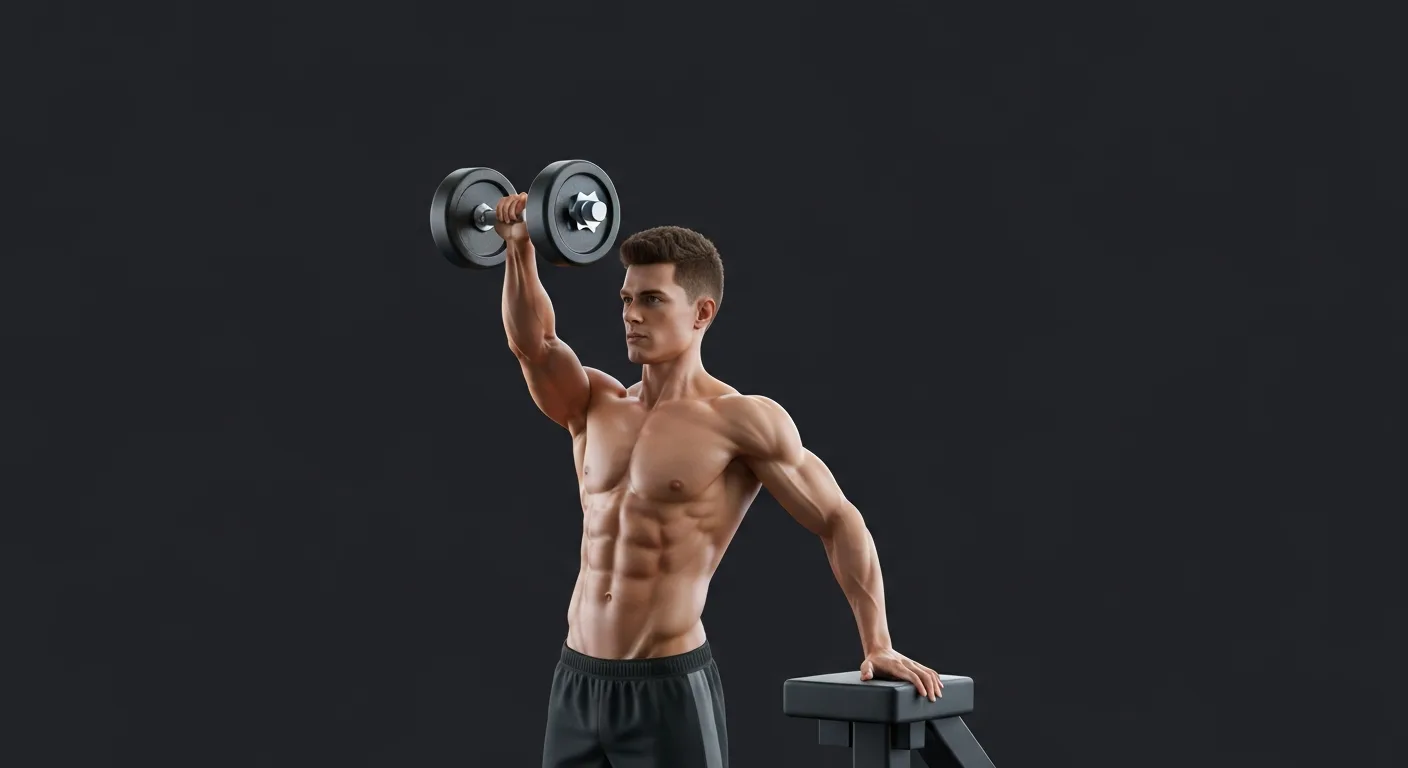
The 7 best tricep stretches are the overhead tricep stretch, cross-body stretch, towel stretch, wall stretch, doorway stretch, behind-the-back stretch, and foam roller stretch. Hold each for 20 to 30 seconds, 2 to 3 rounds, after your workout. Regular stretching improves flexibility, speeds recovery, and helps prevent strains and tendonitis.
Why Stretch Your Triceps?
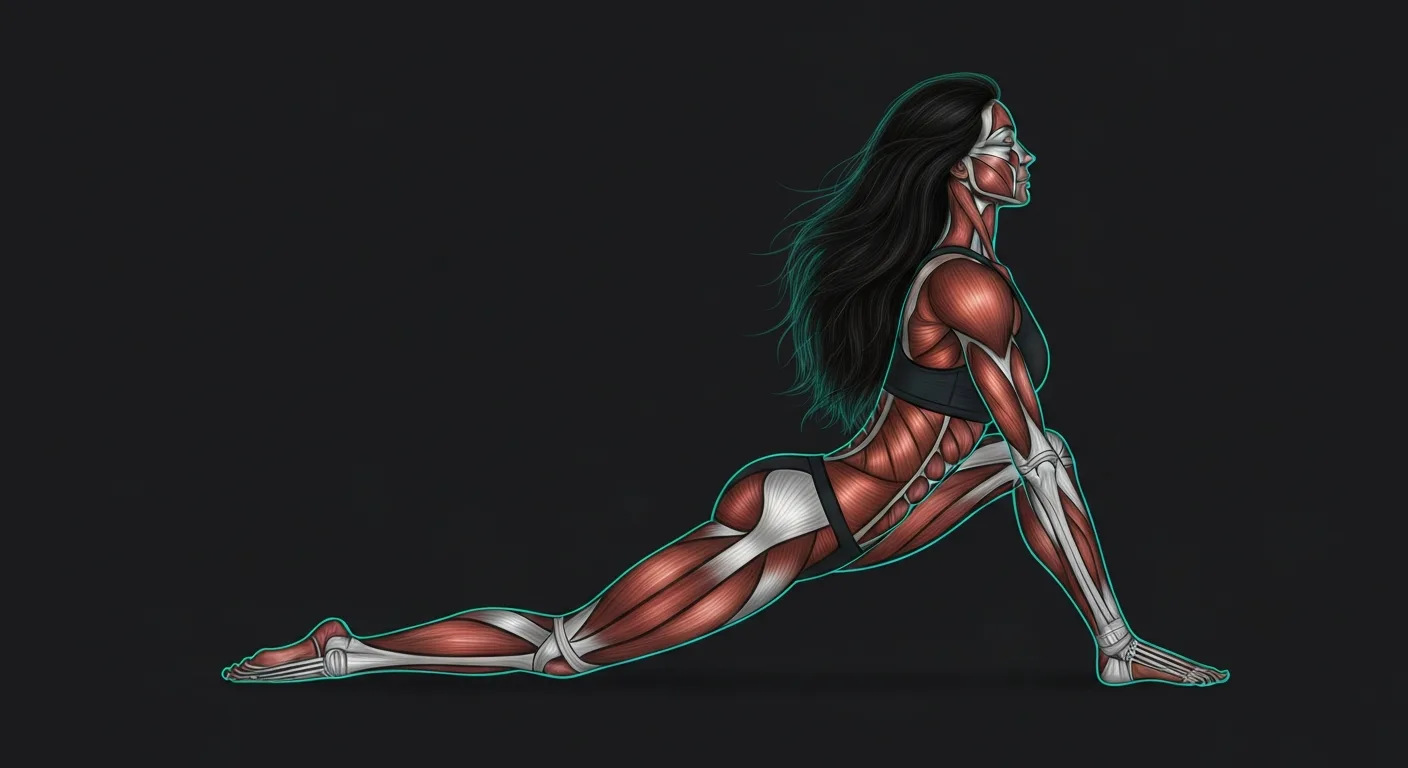
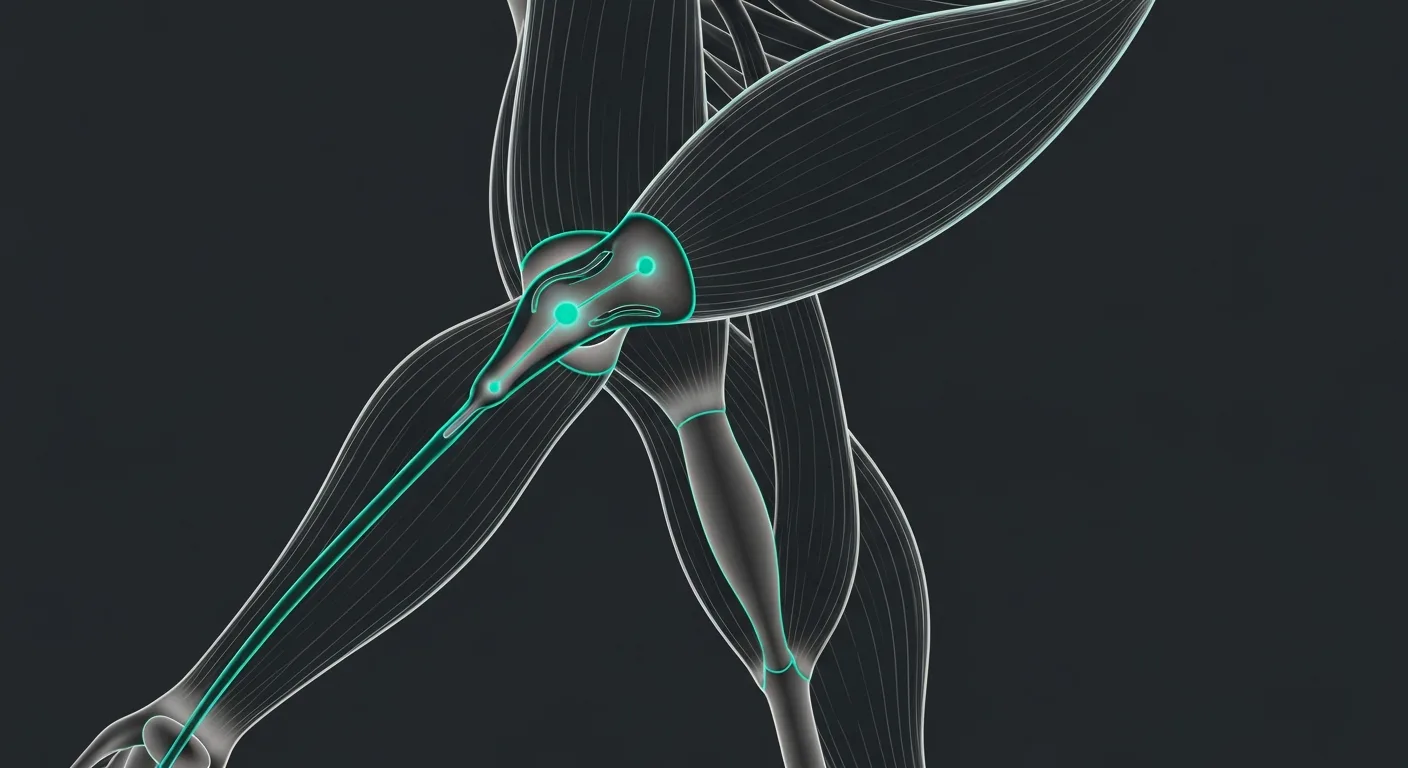
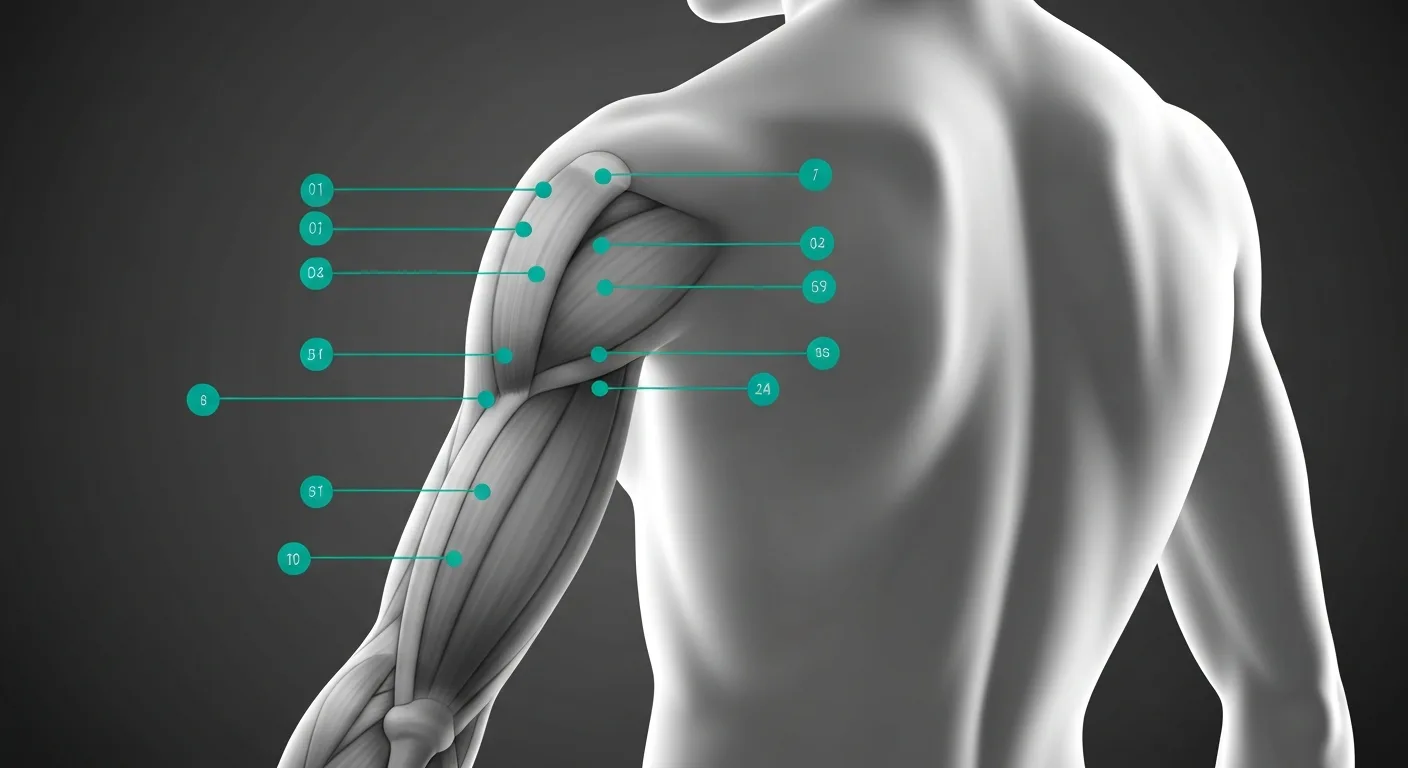
The triceps brachii is active in every pushing and pressing movement. Without regular stretching, the muscle and its tendon can become chronically shortened and stiff — increasing the risk of strains, trigger points, and elbow pain.
The long head of the triceps crosses the shoulder joint, so shoulder flexibility is also affected by tricep tightness. Regular stretching maintains tissue health and supports optimal performance during exercises like overhead extensions and dips.
7 Best Tricep Stretches
1. Overhead Tricep Stretch
Raise one arm overhead and bend the elbow, reaching your hand down behind your head toward the opposite shoulder blade. Use the other hand to gently press the elbow further back. This is the most effective stretch for the long head because it stretches across both the elbow and shoulder joints simultaneously. Hold 20 to 30 seconds per side.
2. Cross-Body Tricep Stretch
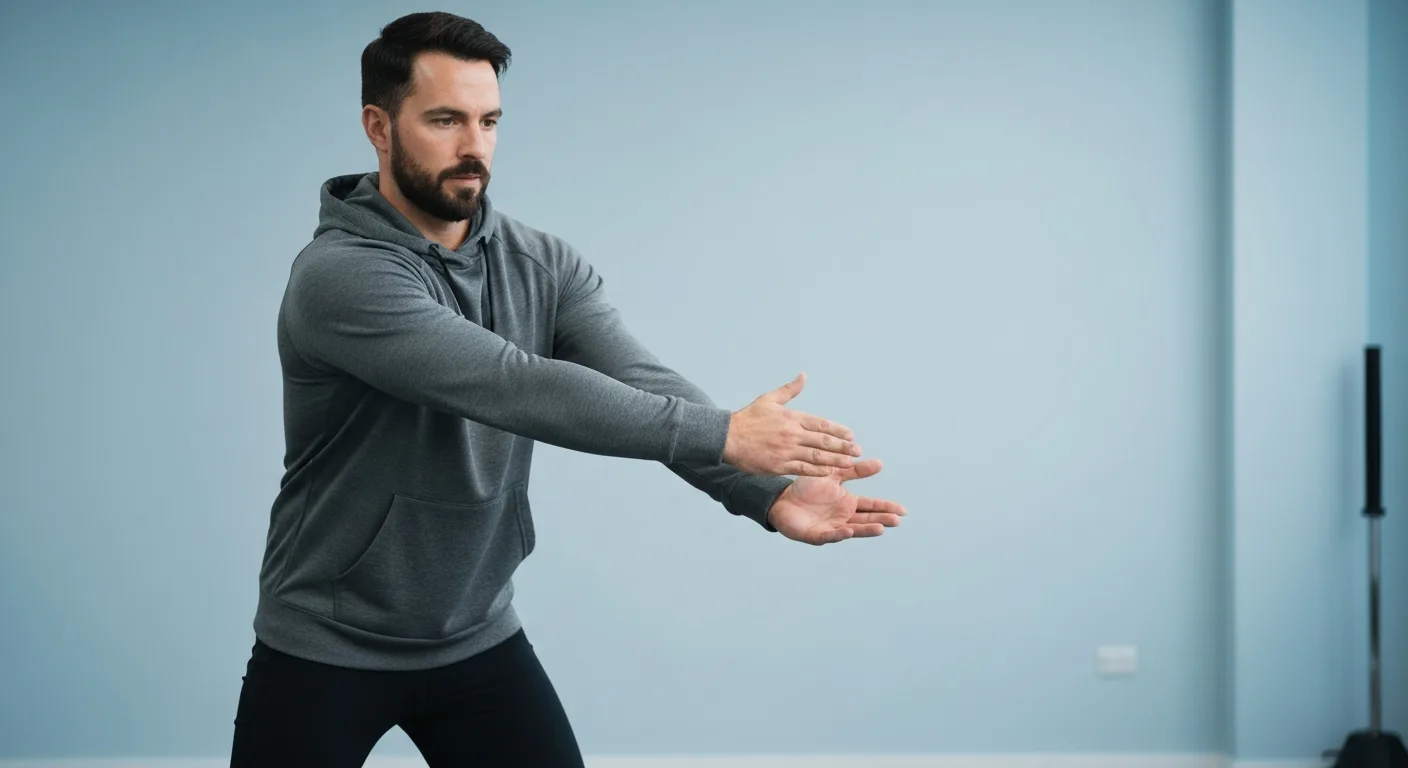
Extend one arm straight across your chest. Use the other hand to pull the arm closer to your body. This stretches the lateral and long heads. Less intense than the overhead variation — good as a first stretch to warm up the tissue. Hold 20 to 30 seconds per side.
3. Towel Stretch
Hold a towel behind your back — one hand reaching over the shoulder (elbow up), the other reaching up from below. Gently pull the towel to deepen the overhead stretch. The towel bridges the gap if you cannot clasp your hands behind your back. This is the best option for people with limited shoulder mobility.
4. Wall Stretch
Stand facing a wall. Place your elbow on the wall at shoulder height with the forearm running up the wall. Lean your body forward to stretch the tricep and the long head at the shoulder. This provides a deeper stretch than the overhead variation for some people because the wall provides a stable anchor.
5. Doorway Stretch
Stand in a doorway with your back to the frame. Reach one arm back and grip the door frame behind you at hip level. Step forward to create a stretch through the tricep and anterior shoulder. This stretches the long head through shoulder extension — a different angle than the overhead stretch.
6. Behind-the-Back Clasp
Clasp both hands behind your lower back with arms straight. Lift your hands away from your body. This stretches both triceps simultaneously through shoulder extension. A gentle stretch well-suited for a quick post-workout cooldown.
7. Foam Roller Tricep Stretch
Lie face down with a foam roller under one arm perpendicular to the body. Roll slowly along the back of the upper arm from the elbow to the armpit. This combines stretching with self-myofascial release, addressing both muscle length and trigger points. Spend 30 to 60 seconds per arm, pausing on tender spots.
When to Stretch
After training: Static stretching (holding a position) is most effective after exercise when muscles are warm. Hold each stretch 20 to 30 seconds, 2 to 3 rounds. This improves flexibility and aids recovery.
Before training: Use dynamic movements — arm circles, light band pushdowns, and arm swings — rather than static holds. Dynamic warm-ups prepare the muscle for work without temporarily reducing force production.
On rest days: Light stretching on rest days can reduce stiffness and maintain range of motion, especially during recovery from strains or after high-volume training sessions.
Foam Roller for Arms
Compact roller for tricep self-myofascial release.
Why we suggest it: Combines stretching with trigger point release.
Check Price on Amazon →As an Amazon Associate, we earn from qualifying purchases.
Stretching for Recovery and Rehab
During recovery from a pulled tricep, gentle stretching can begin once acute pain subsides (usually after 48 to 72 hours). Stretch only to the point of mild tension — never into pain. For tendonitis, stretching maintains tissue length but must be paired with progressive loading exercises for full resolution. After surgical repair, stretch only when cleared by your surgeon or physical therapist.