Tricep tendonitis typically lasts 4 to 12 weeks with proper treatment. Mild cases often improve in 4 to 6 weeks. Chronic tendonitis that has been present for months may take 3 to 6 months of consistent rehabilitation. The most important factor is addressing the overuse pattern that caused it, not just resting.
What Is Tricep Tendonitis?
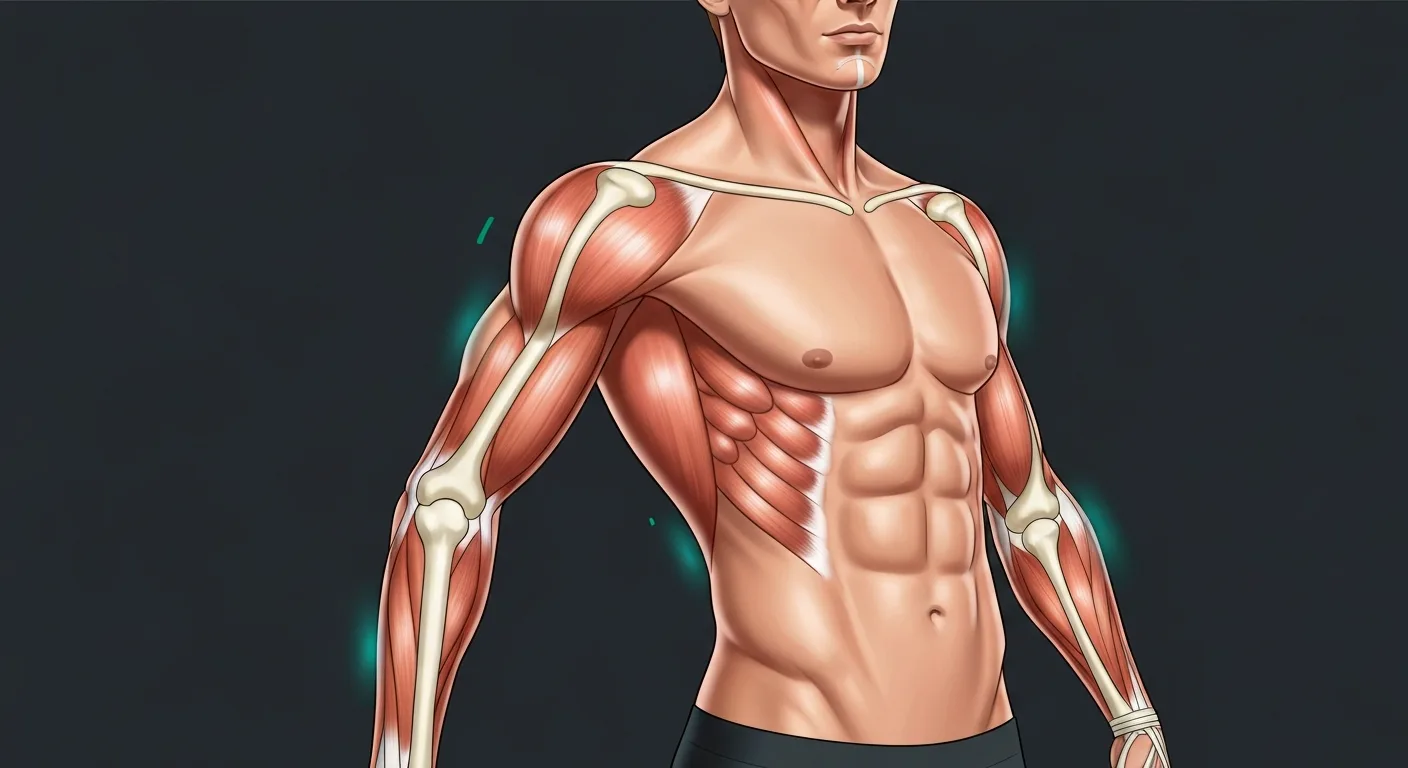
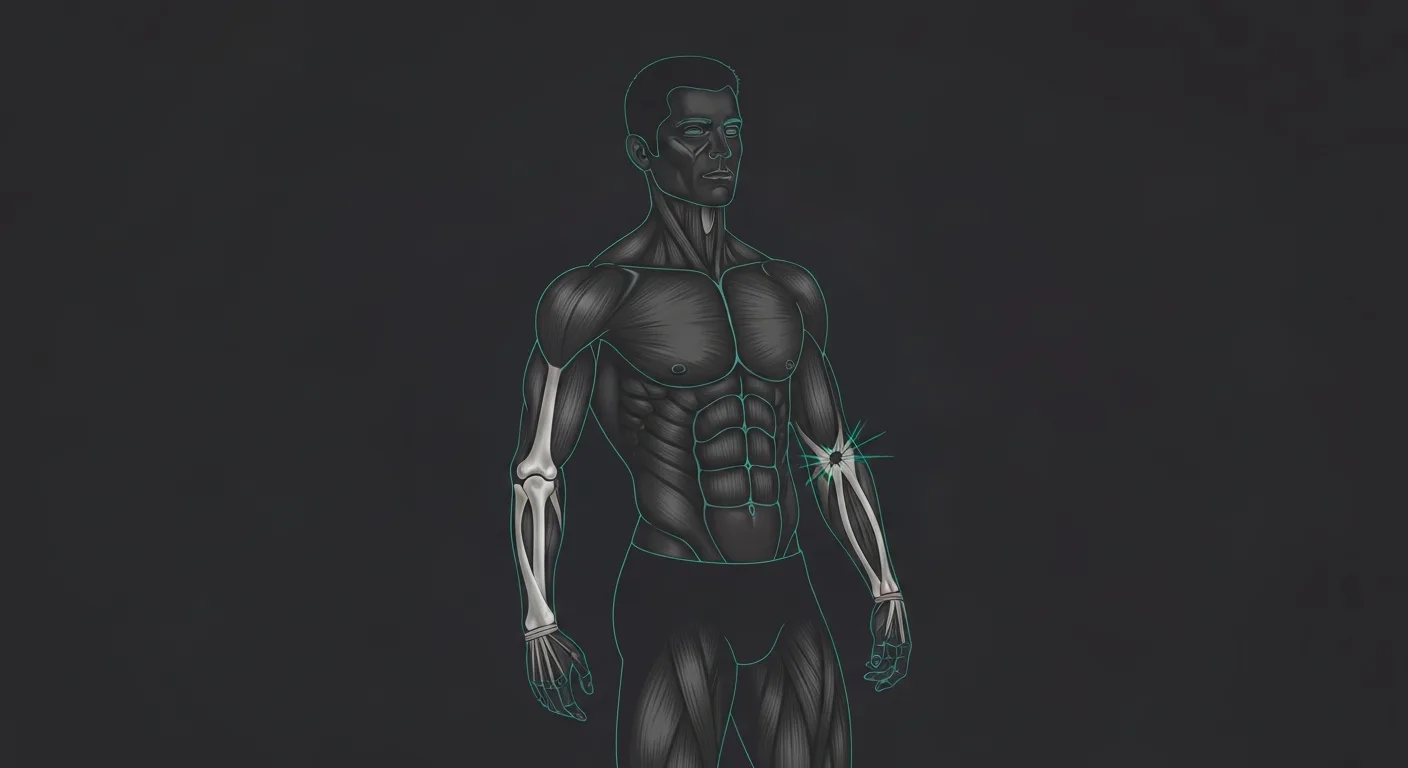
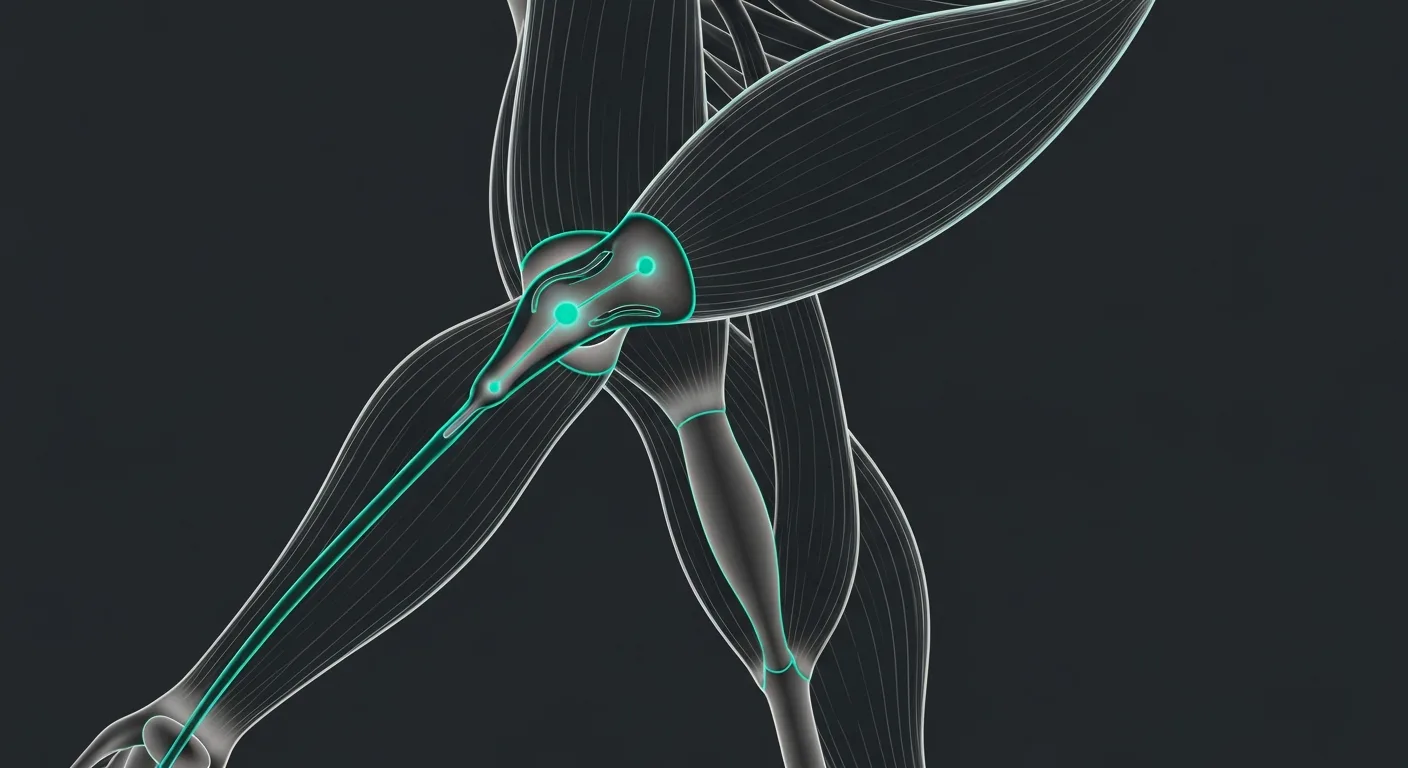
Tricep tendonitis is inflammation and micro-damage of the distal tricep tendon — the thick band of connective tissue that attaches the triceps brachii to the olecranon process at the elbow. It is an overuse injury, meaning it develops gradually from repetitive loading rather than a single traumatic event.
The condition is technically a form of tendinopathy — a spectrum that ranges from acute inflammation (tendonitis) to chronic tendon degeneration (tendinosis). Early-stage tricep tendonitis involves inflammatory changes that respond well to load management. If ignored, it can progress to structural tendon damage that takes significantly longer to resolve.
Symptoms
The hallmark symptoms of tricep tendonitis include:
- Dull, aching pain at the back of the elbow — localized to where the tendon meets the olecranon.
- Pain worsens with loading — pushdowns, dips, bench press lockouts, skull crushers, and any extension against resistance.
- Stiffness in the morning or after rest — the elbow feels stiff and achy after periods of inactivity, then warms up with movement.
- Pain on palpation — pressing directly on the tendon just above the olecranon reproduces the pain.
- Mild swelling — some puffiness around the posterior elbow, though this may not always be visible.
What tricep tendonitis does NOT typically cause: sudden sharp pain, a pop or snap, significant weakness, visible bruising, or a gap in the tendon. If you have these symptoms, you may be dealing with a strain or rupture instead.
What Causes It?
Tricep tendonitis is fundamentally a load management problem — the tendon is being asked to handle more than it can tolerate, repeatedly, without adequate recovery time. Common contributing factors include:
- Excessive pressing volume — too many sets of bench press, overhead press, dips, and pushdowns per week.
- Rapid volume increases — jumping from moderate to high training volume without a gradual ramp.
- Heavy lockouts — full elbow extension under heavy load places maximal stress on the distal tendon.
- Poor warm-up habits — diving into heavy weights without progressive warm-up sets.
- Training through early pain — ignoring mild discomfort until it becomes a clinical problem.
Overhead athletes (baseball, volleyball, swimming) and heavy bench pressers are at the highest risk. People over 35 face increased risk because tendon blood supply and collagen quality decrease with age.
How to Heal Tricep Tendonitis
Phase 1: Pain Management (Weeks 1 to 2)
The goal is to bring pain down to manageable levels without complete rest. Reduce pressing and extension volume by 40 to 50 percent. Avoid exercises that produce sharp pain — dull discomfort during exercise is acceptable if pain does not worsen after the session. Ice the elbow for 15 to 20 minutes after training. A tendonitis brace or counterforce strap worn just below the elbow can help redistribute force across the tendon during activity.
Phase 2: Progressive Loading (Weeks 2 to 8)
This is where healing actually happens. Tendons respond to progressive loading — they need controlled stress to remodel and strengthen. Key interventions include:
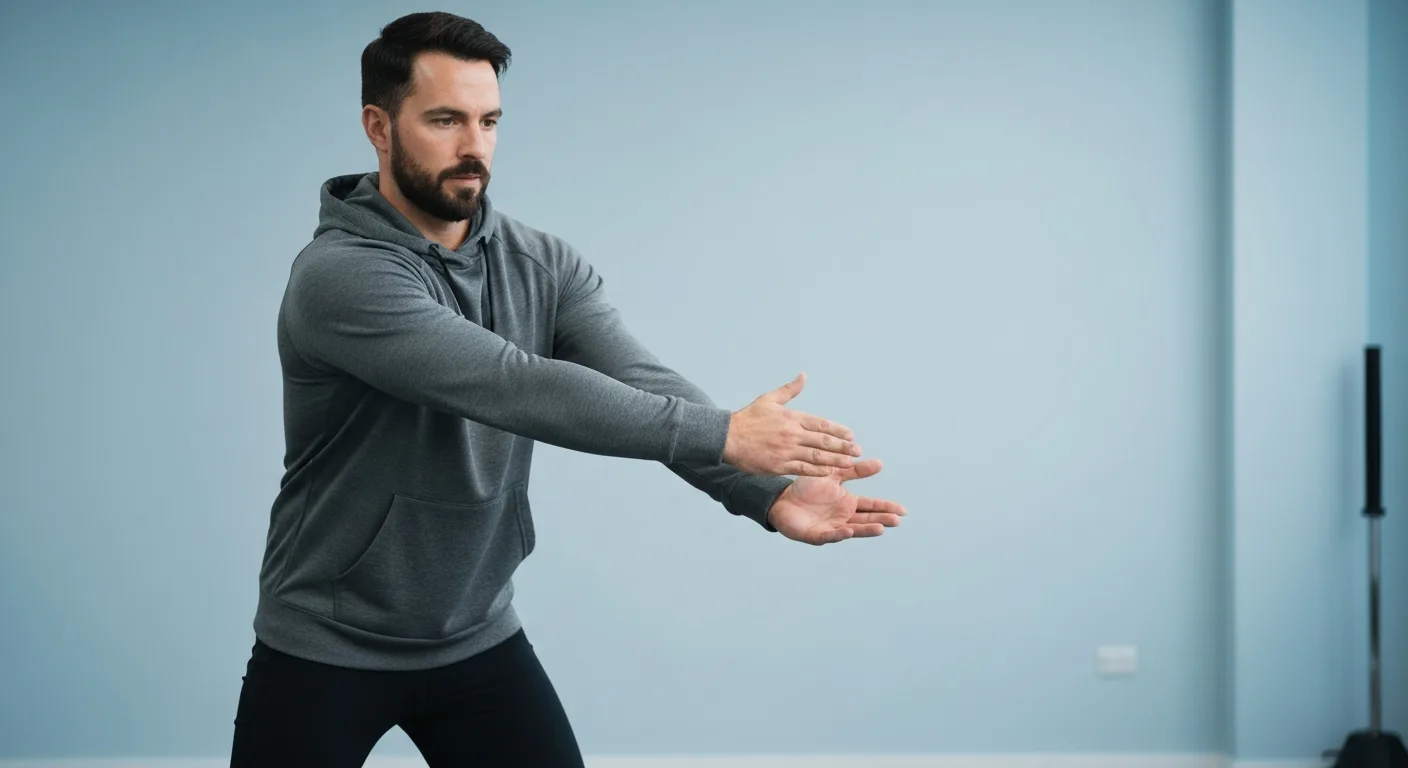
Isometric holds. Push against a wall or desk with the elbow at about 90 degrees. Hold for 30 to 45 seconds. Perform 4 to 5 repetitions, 2 to 3 times per day. Isometric loading has been shown to reduce tendon pain and begin the remodeling process.
Eccentric exercises. Slow, controlled lowering movements are the gold standard for tendon rehabilitation. Perform slow (4 to 5 second) eccentrics on overhead extensions or pushdowns using light weight. Start with 3 sets of 10 to 15 repetitions, 3 times per week.
Progressive resistance. Gradually increase load over weeks. The tendon should tolerate the exercise with no more than mild, manageable discomfort — rated 3 out of 10 or less on a pain scale.
Phase 3: Return to Full Training (Weeks 8 to 12+)
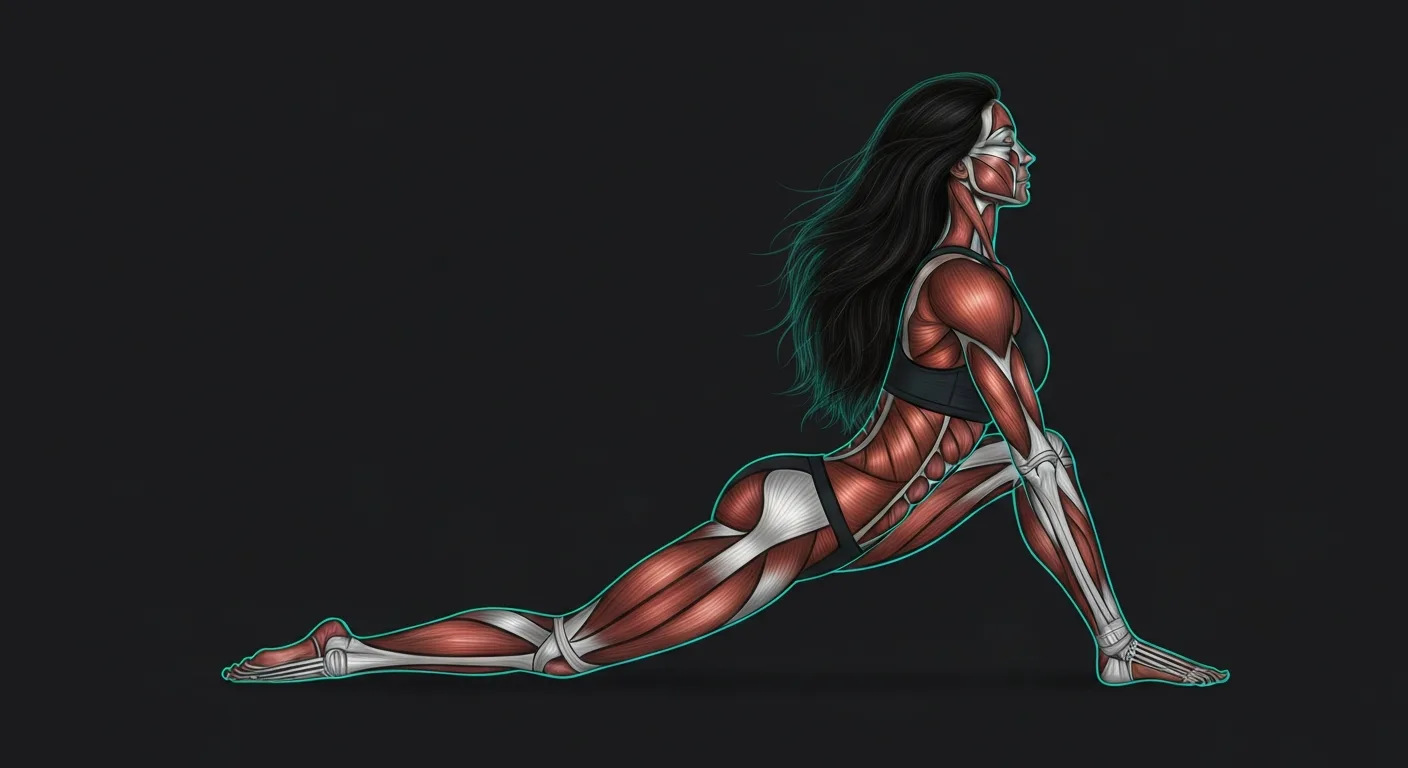
Gradually reintroduce full pressing and extension exercises. Continue eccentric work as part of your warm-up. Monitor for pain after sessions — if the tendon aches the next morning, you have done too much. Increase volume by no more than 10 percent per week. Include tricep stretches after every session and address any trigger points that have developed during the modified training period.
Tricep Tendonitis Brace
Counterforce strap for tendon support during healing.
Why we suggest it: Redistributes tendon stress during training to reduce pain.
Check Price on Amazon →As an Amazon Associate, we earn from qualifying purchases.
What NOT to Do
- Do not completely rest for weeks. Complete rest leads to tendon deconditioning. Tendons need load to heal — removing all stimulus weakens them and makes recurrence more likely.
- Do not push through sharp pain. Dull discomfort during rehab exercises is acceptable. Sharp or worsening pain is a sign you have exceeded the tendon's current tolerance.
- Do not rely on anti-inflammatories alone. NSAIDs can help manage symptoms but do not address the underlying problem. They should support rehabilitation, not replace it.
- Do not get cortisone injections as a first-line treatment. While they provide temporary relief, cortisone weakens tendon tissue and increases rupture risk. They may be appropriate in severe cases under specialist guidance, but should not be the first option.
Tendonitis vs. Other Elbow Problems
If your pain is at the back of the elbow at the tendon, it is likely tendonitis. If the pain is at the sides or front of the elbow, it may be tennis elbow (lateral epicondylitis), golfer's elbow (medial epicondylitis), or olecranon bursitis. If pain radiates up into the shoulder, consider whether tricep weakness is contributing to shoulder dysfunction. If pain is between muscles rather than at the tendon, see our guide on pain between the bicep and tricep.
Preventing Recurrence
Once tendonitis resolves, prevent it from coming back by managing weekly pressing volume (avoid dramatic increases), warming up with 2 to 3 lighter sets before heavy work, incorporating eccentric-focused exercises as maintenance, using resistance bands for warm-ups and lighter training days, and listening to early warning signs — mild posterior elbow ache is the signal to reduce load, not push through.
When to See a Doctor
See a healthcare provider if pain has not improved after 6 weeks of appropriate self-management, the elbow locks or catches during movement, you have significant swelling that does not resolve, the pain disrupts sleep, or you suspect a more serious injury like a tear. An ultrasound can assess tendon health and identify any structural changes that may need more targeted treatment.