Pain between the bicep and tricep typically comes from nerve irritation, the intermuscular septum (the connective tissue dividing the two muscle compartments), or referred pain from the cervical spine. It is less commonly a muscle injury and more often a structural or neurological issue that benefits from proper evaluation.
The Anatomy Between the Bicep and Tricep
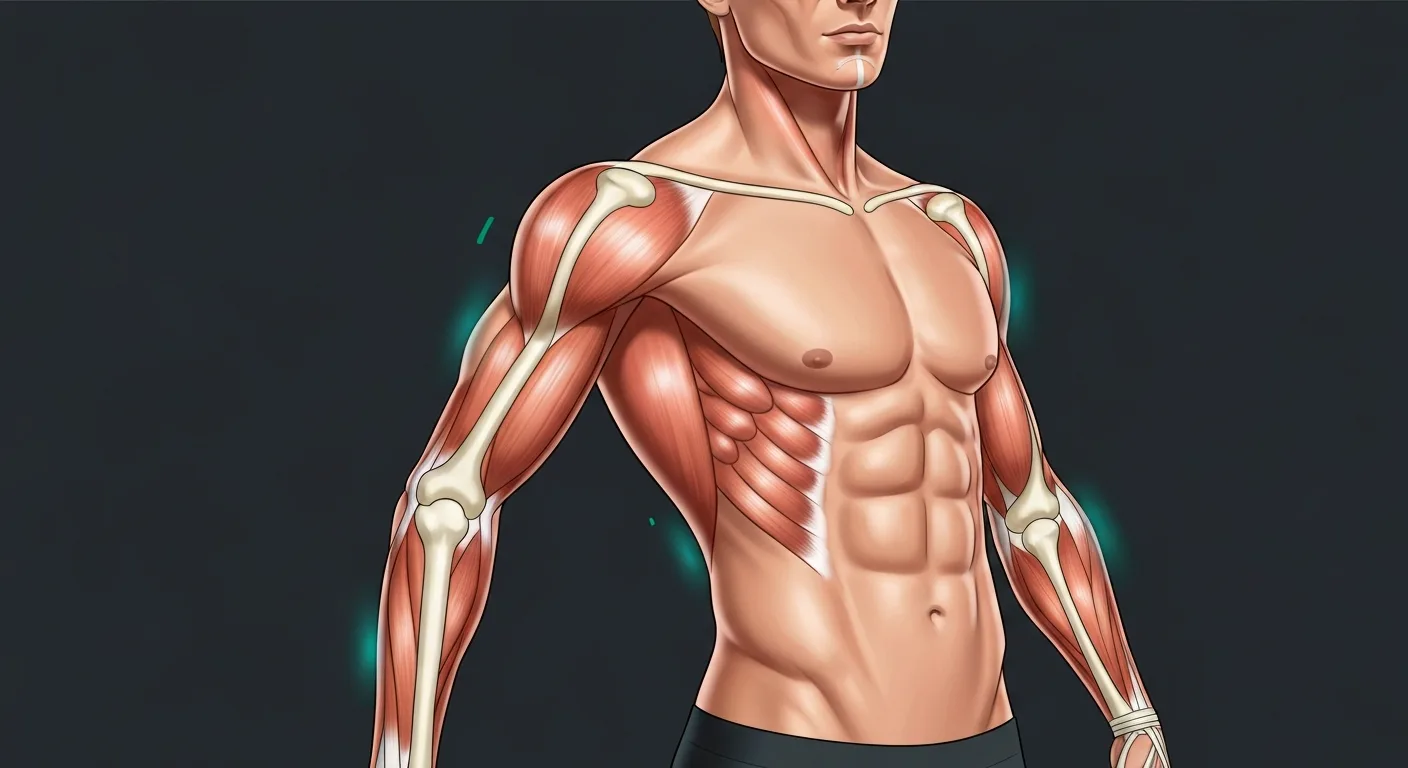
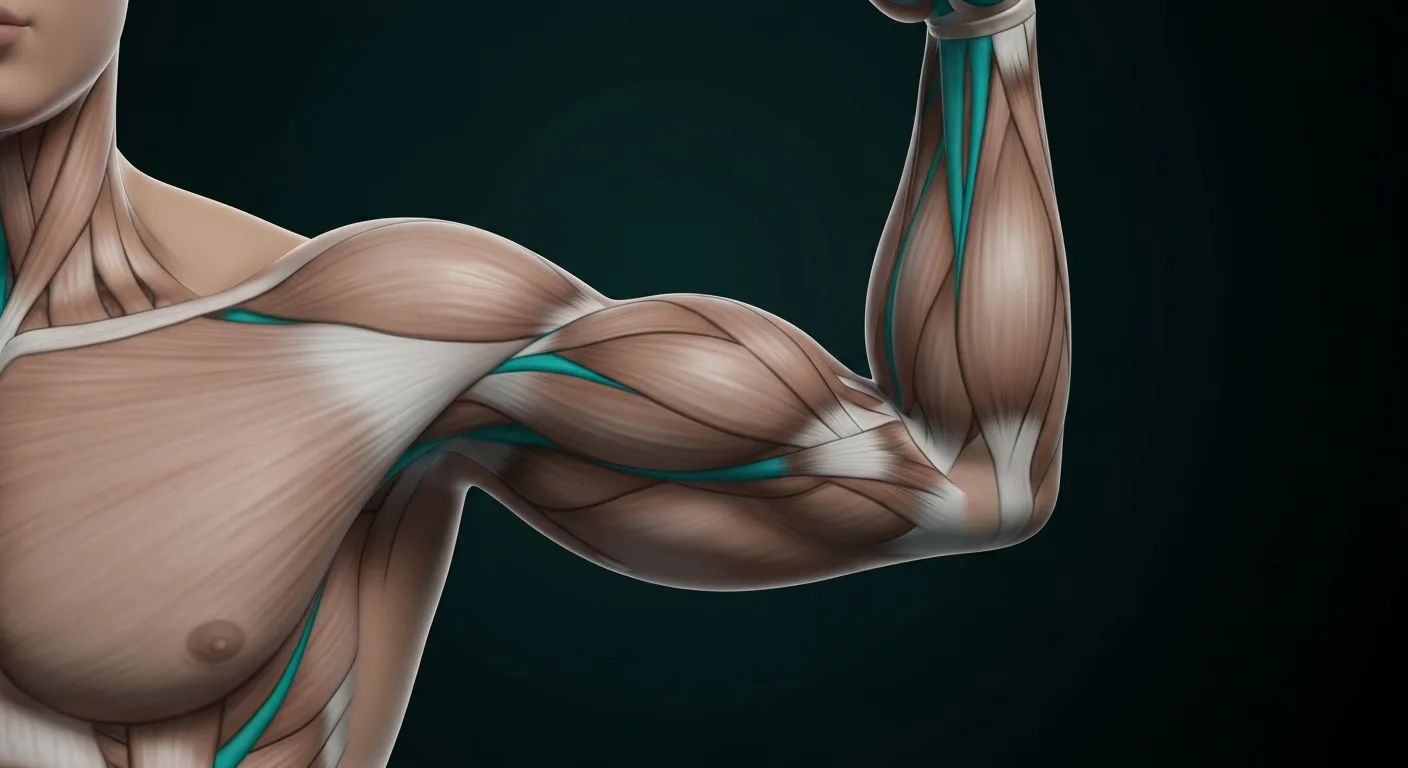
The upper arm is divided into two compartments by the lateral and medial intermuscular septa — sheets of connective tissue that run from the humerus to the skin. The anterior compartment contains the biceps and brachialis. The posterior compartment contains the triceps brachii. The space between these compartments — where the septa lie — is also where important nerves and blood vessels travel.
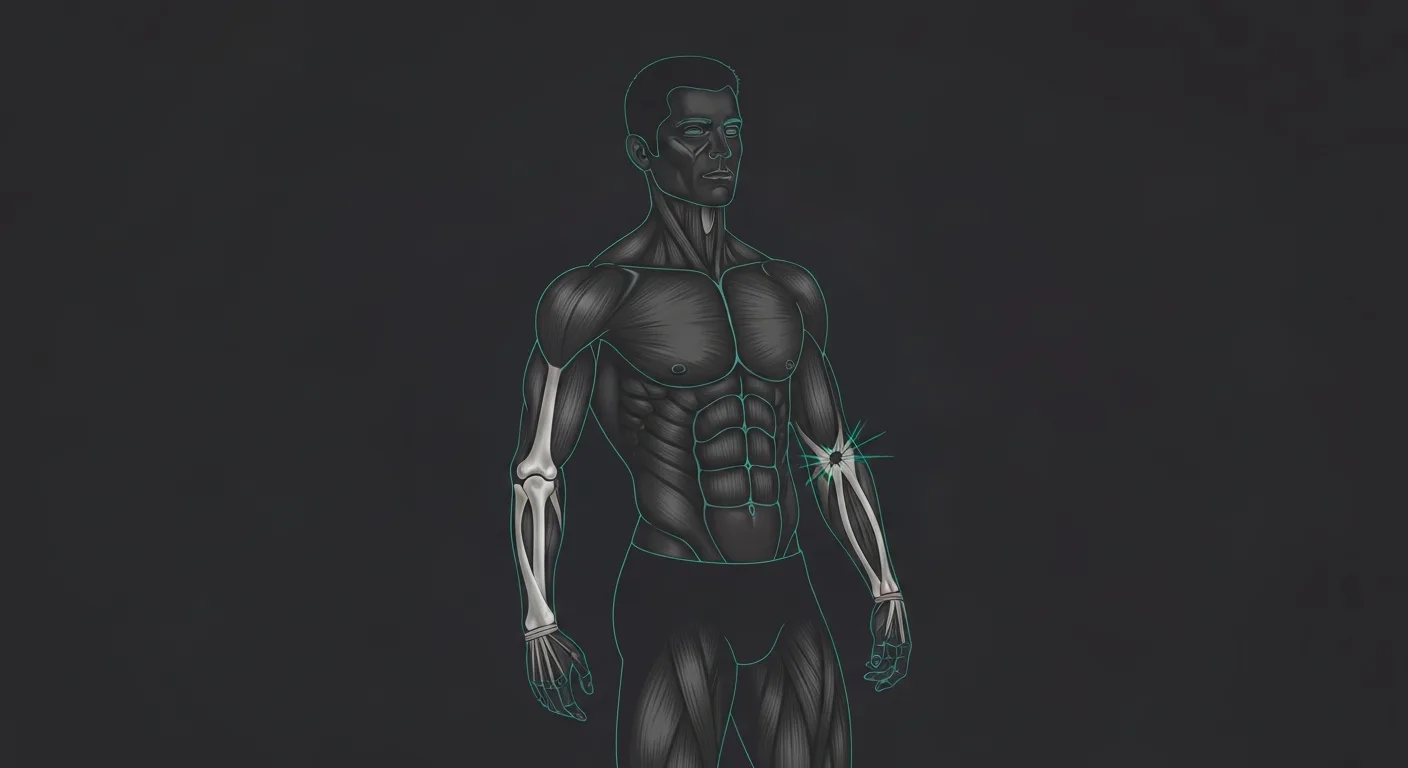
Pain "between" the bicep and tricep typically localizes to one of the intermuscular septa (inner or outer arm) and often involves the structures that pass through this zone rather than the muscles themselves.
Common Causes
Nerve Irritation or Compression
Several major nerves run between or adjacent to the bicep and tricep compartments:
- Radial nerve — travels through the radial groove on the back of the humerus, passing between compartments at the lateral intermuscular septum. Compression causes pain on the outer arm, often with weakness in wrist and finger extension.
- Musculocutaneous nerve — runs through the bicep compartment and exits between muscles. Irritation causes pain on the lateral (outer) forearm and front of the arm.
- Ulnar nerve — travels along the medial (inner) arm near the medial intermuscular septum before entering the cubital tunnel at the elbow. Compression causes inner arm pain and tingling in the ring and little fingers.
Nerve compression can occur from sleeping on the arm, sustained elbow flexion (holding a phone to the ear), direct pressure (leaning on the arm for long periods), or muscle swelling from training that narrows the space around the nerve.
Intermuscular Septum Irritation
The intermuscular septa themselves can become irritated from repetitive stress, direct trauma, or adhesions that develop after overuse. This produces a localized, aching pain along the inner or outer arm that worsens with contraction of either the bicep or tricep and is tender to the touch along a vertical line rather than within either muscle belly.
Referred Pain
Pain felt between the bicep and tricep can originate elsewhere. Cervical radiculopathy — nerve root compression in the neck — commonly refers pain down the arm in patterns that follow the space between muscles rather than within them. The C5 and C6 nerve roots refer to the lateral arm, and C7 to the posterior arm. Trigger points in the triceps or biceps can also refer pain to the area between the muscles.
Brachialis Strain
The brachialis muscle sits deep between the bicep and tricep, running along the front of the humerus. A strain to this muscle can produce pain that feels like it is "between" the bicep and tricep because it is underneath the bicep and adjacent to the lateral septum. Brachialis strains typically occur during heavy curling or pulling movements.
Signs It May Be a Nerve Issue
Nerve involvement is suggested by burning, electrical, or shooting pain (not the dull ache of a muscle problem), numbness or tingling in the forearm, hand, or fingers, weakness in specific movements (grip, wrist extension, finger control), symptoms that change with elbow or neck position, and pain that follows a line from the neck or shoulder down the arm. If you have any of these, the problem is more likely neurological than muscular.
Self-Care
For mild, recent-onset pain without nerve symptoms, try resting from aggravating activities for 1 to 2 weeks, icing the area for 15 minutes several times daily, gentle stretching of both the triceps and biceps to relieve tension on the septa, avoiding sleeping positions that compress the arm, and performing neural gliding exercises (gentle movements that help nerves slide freely through their tunnels).
Avoid aggressive massage directly on the nerve pathways — this can worsen nerve irritation. Self-massage of the adjacent tricep trigger points and bicep trigger points may help if referred pain is the cause.
Is This Pain Different from Regular Muscle Pain?
Yes. Tricep muscle pain is felt within the muscle belly — the meaty part of the back of the arm. Bicep pain is in the front. Pain between the two compartments is in a different anatomical zone and suggests different causes. This distinction matters because the treatment approaches differ: muscle problems respond to progressive loading, while nerve problems may need positional modification, neural mobilization, and sometimes medical intervention.
When to See a Doctor
See a healthcare provider if pain is accompanied by numbness, tingling, or weakness in the hand or fingers, the pain follows a clear line from the neck or shoulder down the arm, symptoms do not improve with 2 weeks of self-care, you notice muscle wasting or visible changes in the arm, or pain interferes with sleep or daily function. A physician can perform nerve conduction studies, order imaging, and determine whether the issue is musculoskeletal, neurological, or referred from the spine. Early evaluation of nerve-related pain prevents progression and leads to better outcomes.