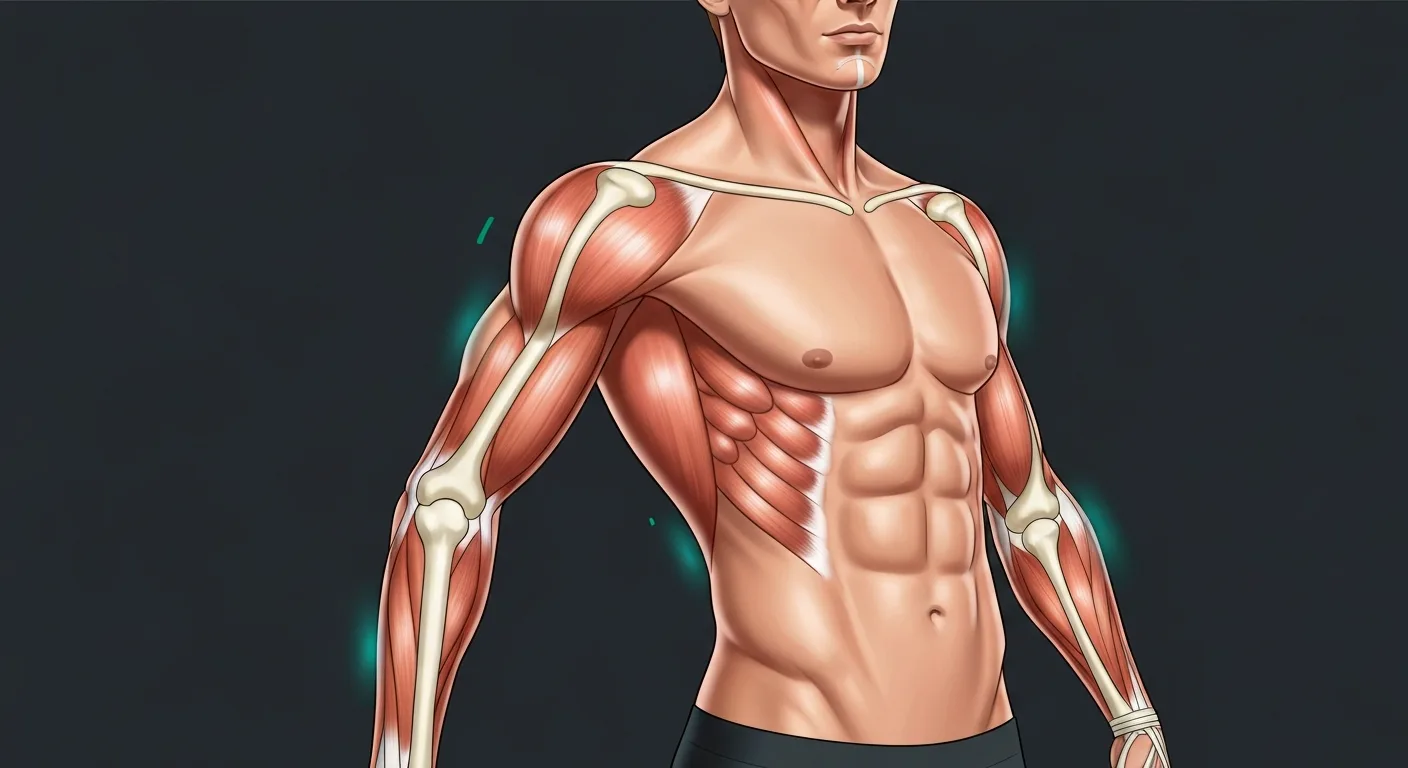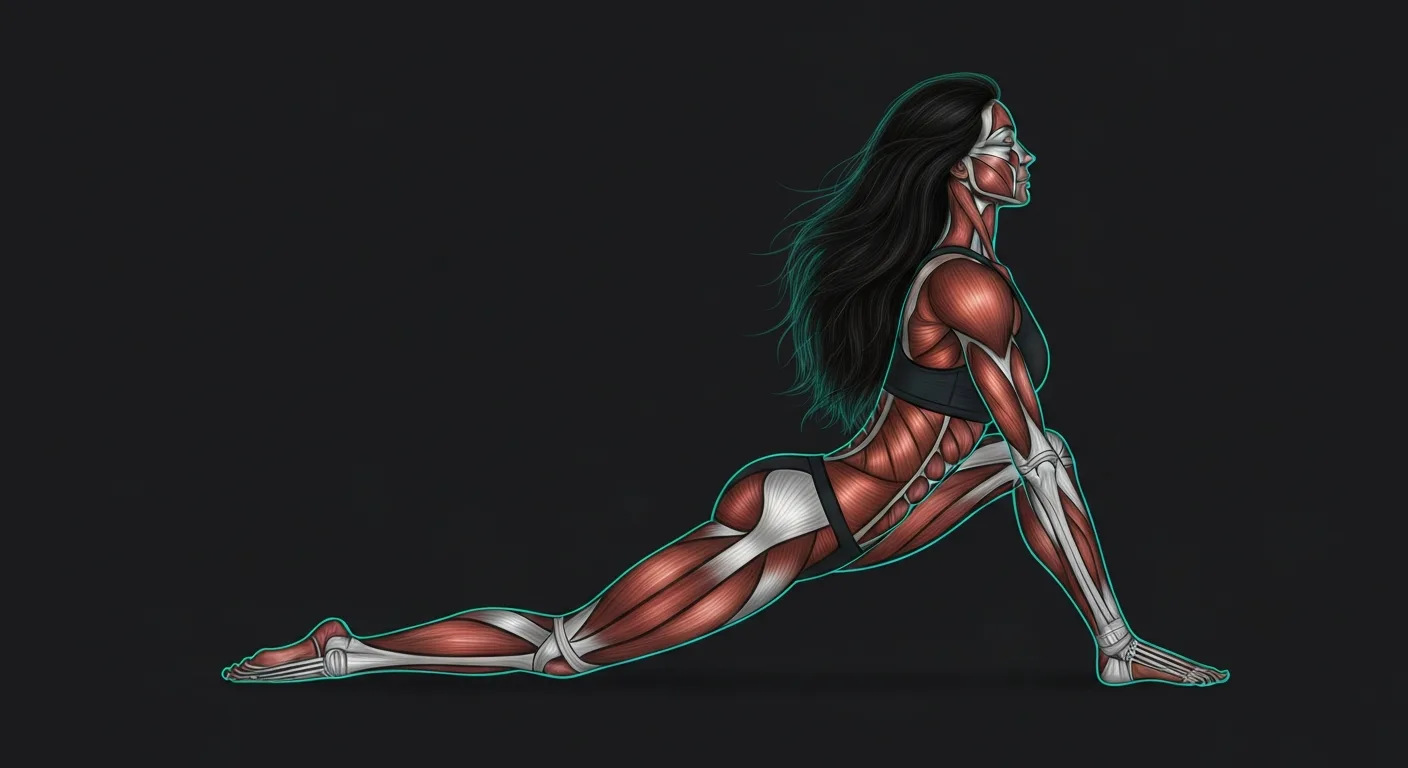
A tricep rupture feels like a sudden pop or snap at the back of the elbow or upper arm, followed by severe pain, rapid swelling, and the inability to straighten the arm against resistance. It is a complete tear of the tricep tendon or muscle that almost always requires surgical repair.
What Is a Tricep Rupture?
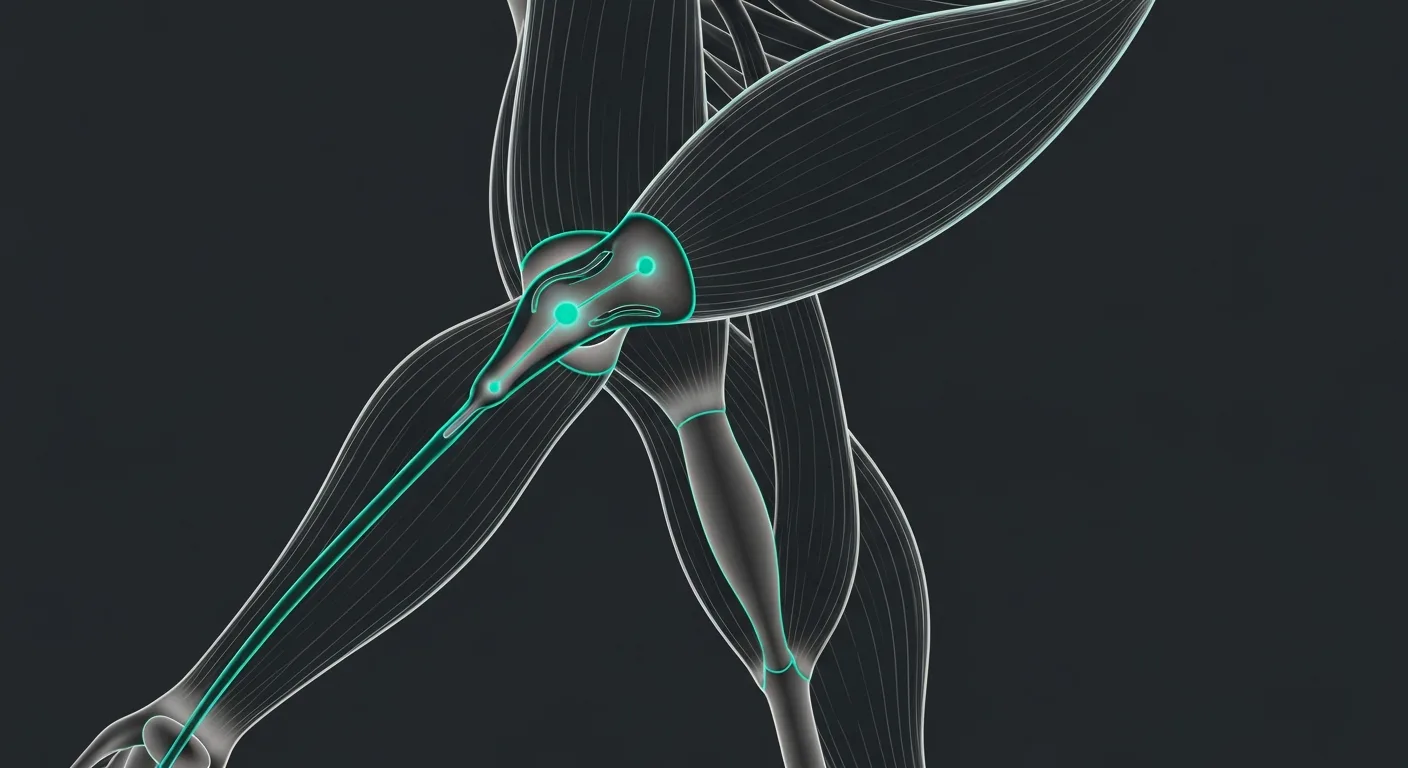
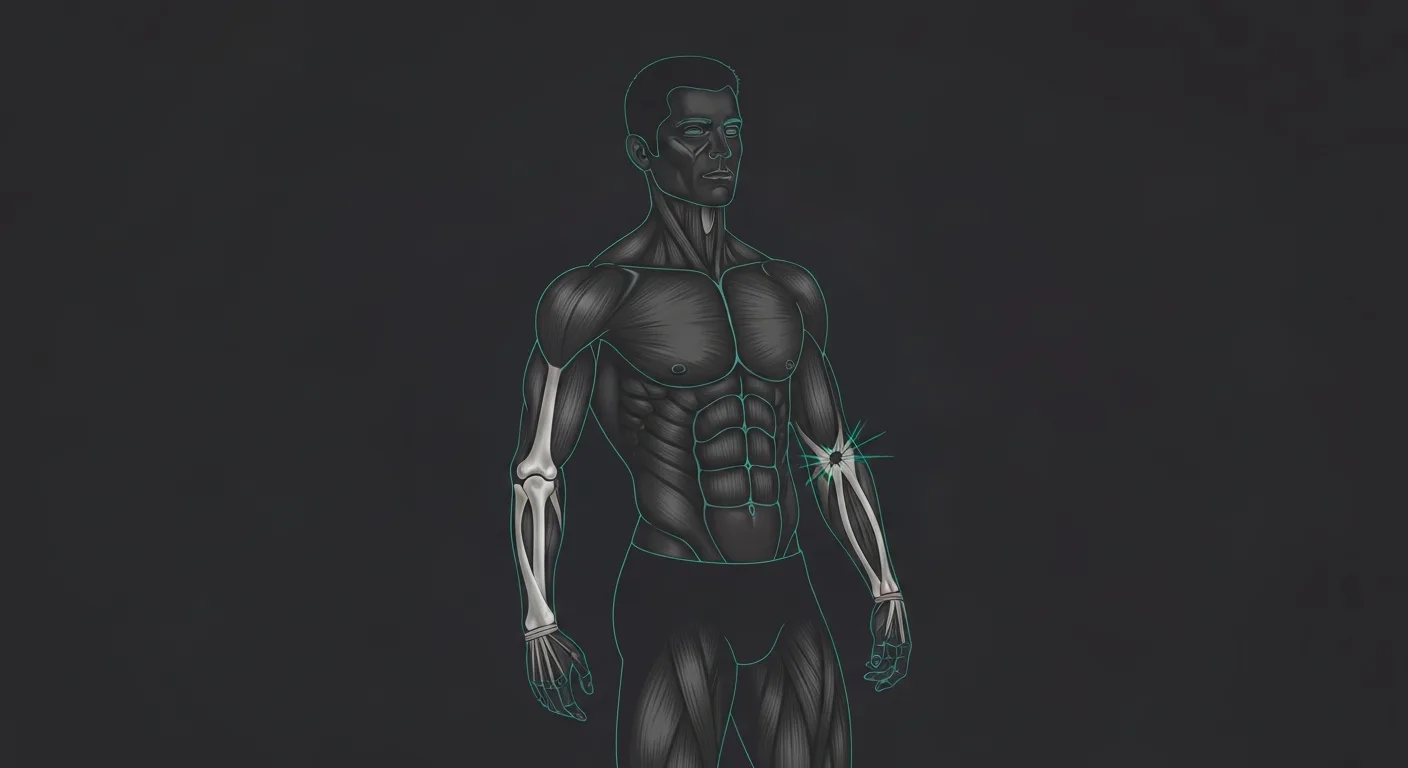
A tricep rupture is a full-thickness tear of the triceps brachii — either through the muscle belly or, more commonly, at the distal tendon where it attaches to the olecranon process of the ulna. It represents the most severe end of the strain grading spectrum — a grade 3 injury with complete structural failure.
Tricep ruptures are the rarest of the three major upper arm tendon ruptures (biceps and pectoralis major being more common). They account for fewer than 1 percent of all tendon injuries. Despite their rarity, they are serious injuries that require prompt medical attention.
Symptoms
The hallmark symptoms of a tricep rupture include:
- Sudden, sharp pain — at the back of the elbow or upper arm, occurring during a forceful extension movement.
- Audible pop or snap — reported by the majority of patients at the time of injury.
- Immediate weakness — inability to extend (straighten) the elbow against any meaningful resistance. This is the most clinically significant symptom.
- Rapid swelling — develops within hours at the injury site.
- Extensive bruising — often spreading from the elbow down the forearm and up the upper arm over 24 to 72 hours. See our guide on tricep bruising for more context.
- Palpable gap — in tendon ruptures, you or the examiner can feel a defect just above the olecranon where the tendon has pulled away from the bone.
- Altered muscle shape — the tricep may appear bunched up higher on the arm if the tendon has retracted.
Rupture vs. Strain vs. Tendonitis
It is important to distinguish a rupture from less severe injuries:
| Feature | Rupture | Partial Strain | Tendonitis |
|---|---|---|---|
| Onset | Sudden, during activity | Sudden or over days | Gradual, over weeks |
| Pop/snap | Usually yes | Sometimes | No |
| Weakness | Severe — can't extend | Moderate | Mild |
| Palpable gap | Yes (if tendon) | No | No |
| Surgery needed | Almost always | Rarely | No |
If you are experiencing tricep pain that does not match the rupture pattern, it is more likely a pull, strain, or tendonitis.
Causes and Risk Factors
Tricep ruptures most commonly occur during forceful eccentric loading — when the muscle is trying to contract while being forcibly lengthened. Common scenarios include heavy bench press lockouts (especially with too much weight), falls on an outstretched arm where the elbow is forced into flexion, forceful pushing or throwing activities, and direct blows to the contracted triceps.
Significant risk factors include anabolic steroid use (muscles grow faster than tendons can adapt, creating a force mismatch), age over 30 (tendon blood supply and collagen quality decline), previous cortisone injections near the tendon, metabolic conditions affecting connective tissue, and renal disease.
How a Tricep Rupture Is Diagnosed
Physical Examination
The modified Thompson test for the triceps involves having the patient lie prone with the arm hanging off the table edge. The examiner squeezes the triceps muscle belly — if the tendon is intact, the forearm should extend. No movement indicates a complete rupture. The examiner also tests active extension against resistance and palpates for a gap above the olecranon.
Imaging
MRI is the gold standard. It reveals the exact location and extent of the tear, the degree of tendon retraction (how far the torn end has pulled back from the bone), and any associated bone avulsion (where the tendon pulls off a piece of bone with it). Ultrasound can identify ruptures at lower cost and in real time, but provides less detail for surgical planning. X-rays are useful primarily to identify avulsion fractures — small bone fragments pulled off the olecranon by the tendon.
Treatment: Why Surgery Is Usually Necessary
Complete tricep tendon ruptures are repaired surgically in the vast majority of cases. The surgeon reattaches the tendon to the olecranon using suture anchors, bone tunnels, or a combination technique. Surgery is ideally performed within 2 to 3 weeks of the injury, before significant retraction and scarring make repair more difficult.
Non-surgical management may be considered in elderly, sedentary patients with partial ruptures who do not require full elbow extension strength. However, for active individuals and anyone who needs full arm function, surgical repair is the standard of care.
Post-operative rehabilitation follows a structured tricep repair protocol with progressive phases from immobilization through full return to activity over 4 to 6 months.
Recovery Timeline
After surgical repair, the typical timeline involves weeks 0 to 2 in a splint with the elbow at 30 degrees of flexion, weeks 2 to 6 with gentle active-assisted range of motion (no resisted extension), weeks 6 to 12 with progressive strengthening beginning with isometrics and light concentric work, and months 3 to 6 with gradual return to full activity. Most patients achieve functional strength by 4 months and full strength by 6 to 9 months. Return to heavy lifting should not be rushed — premature loading is the primary cause of re-rupture.
Ice Pack Elbow Wrap
Targeted cold therapy for tricep rupture management.
Why we suggest it: Reduces swelling and manages pain during the acute post-injury phase.
Check Price on Amazon →As an Amazon Associate, we earn from qualifying purchases.
When to Seek Emergency Care
Go to an emergency room or urgent care immediately if you felt a pop followed by sudden inability to straighten your arm, you see a visible deformity or gap in the muscle, rapid swelling and bruising develop, or the injury occurred during a fall with suspected fracture. A complete rupture is a time-sensitive injury. Earlier surgical repair (within 2 weeks) leads to better outcomes than delayed surgery. If you are unsure whether your injury is a torn tricep or a rupture, seek evaluation — an MRI will provide a definitive answer.