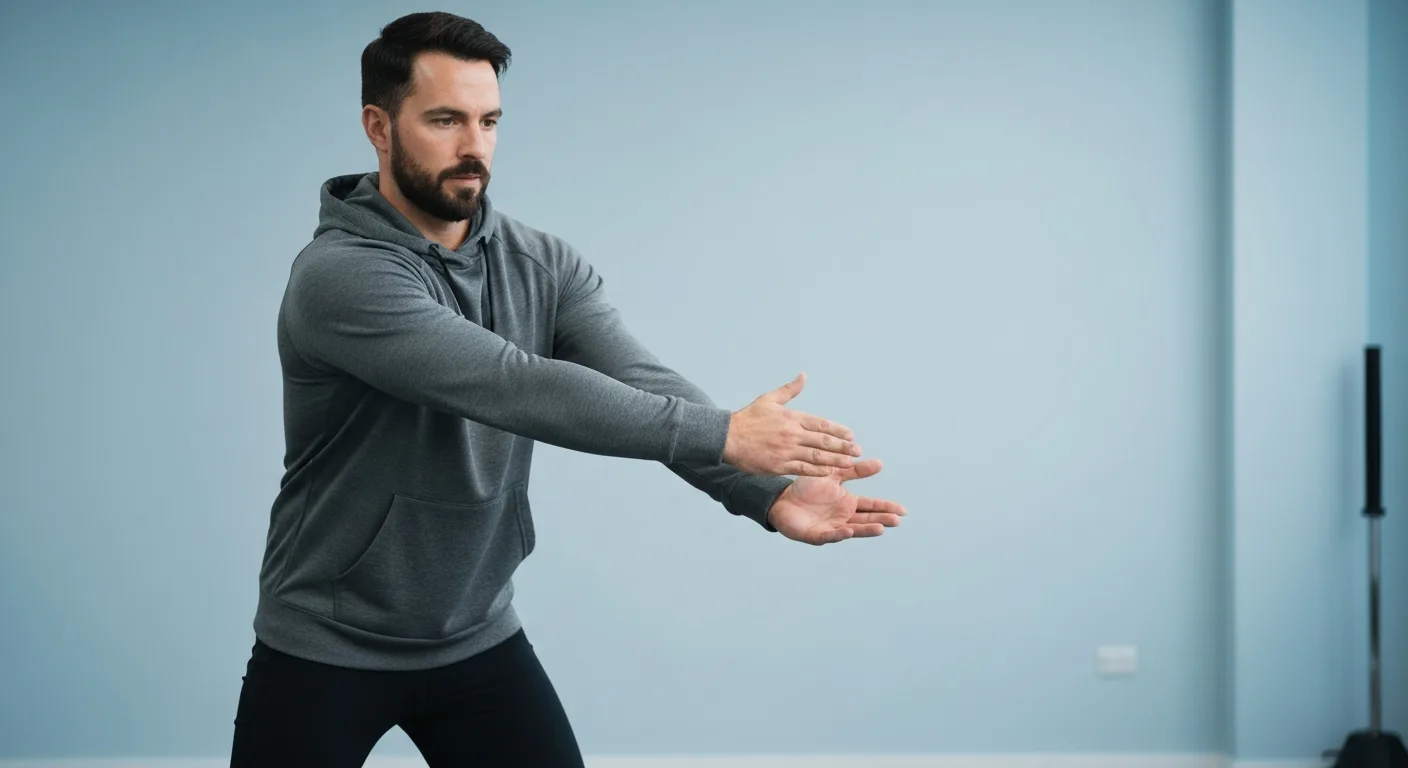
A pulled tricep typically heals in 1 to 4 weeks, depending on severity. A mild pull (grade 1 strain) may resolve in 7 to 14 days, while a more significant pull (grade 2) can take 3 to 6 weeks. Treatment involves rest, ice, and gradual return to activity with progressive strengthening.
What Is a Pulled Tricep?
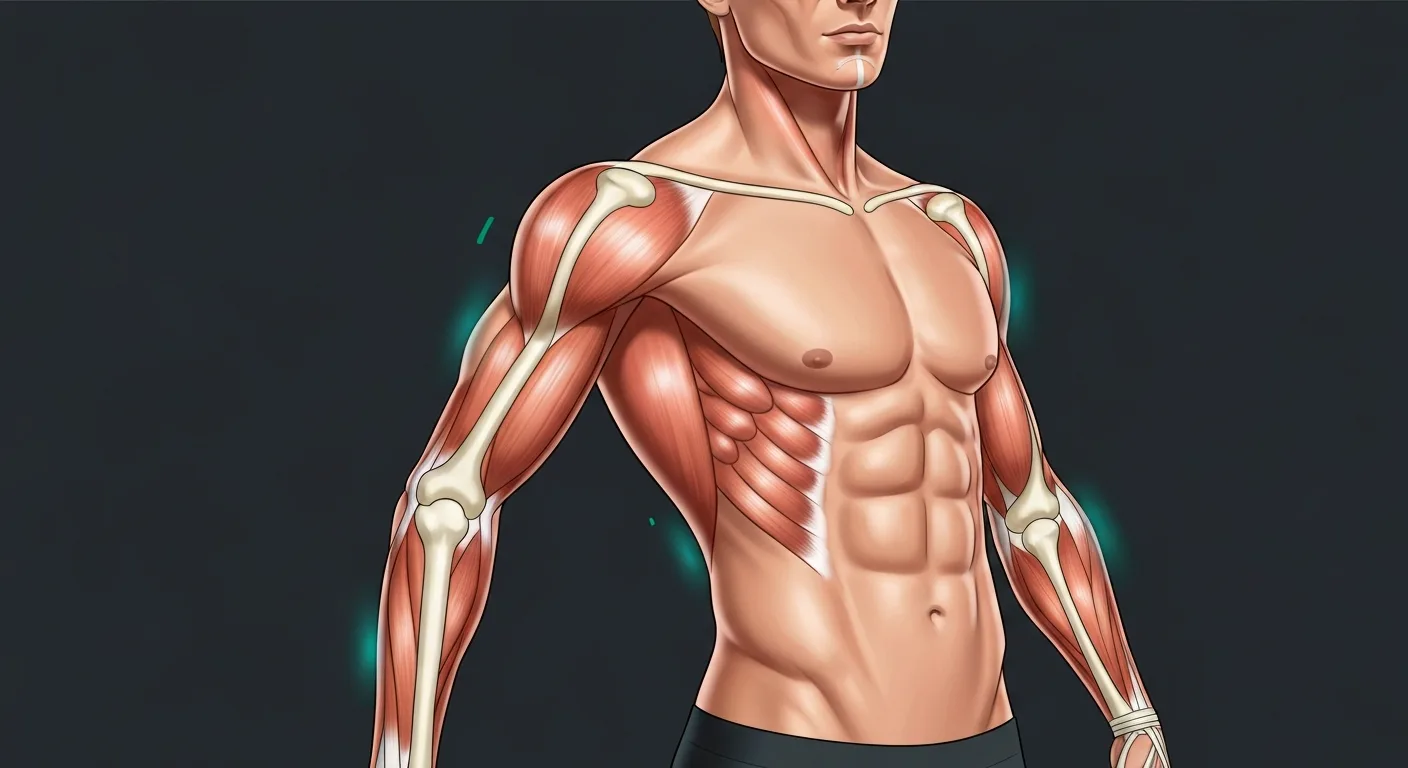
A pulled tricep is a common term for a mild to moderate strain of the triceps brachii muscle. It occurs when muscle fibers are overstretched or partially torn, usually during a sudden forceful movement. The term "pulled muscle" is not a clinical diagnosis — it generally describes a grade 1 or low-grade 2 strain.
Pulled triceps are one of the most common upper arm injuries in both recreational lifters and everyday active people. They are usually self-limiting, meaning they heal on their own with appropriate management.
Symptoms
A pulled tricep typically presents with:
- Localized pain at the back of the upper arm — usually mild to moderate, worsening with movement.
- Tightness or stiffness — the muscle feels "locked up" or restricted, especially when reaching overhead.
- Mild swelling — less than what you would see with a more severe tear.
- Pain with extension — straightening the arm against resistance reproduces the discomfort.
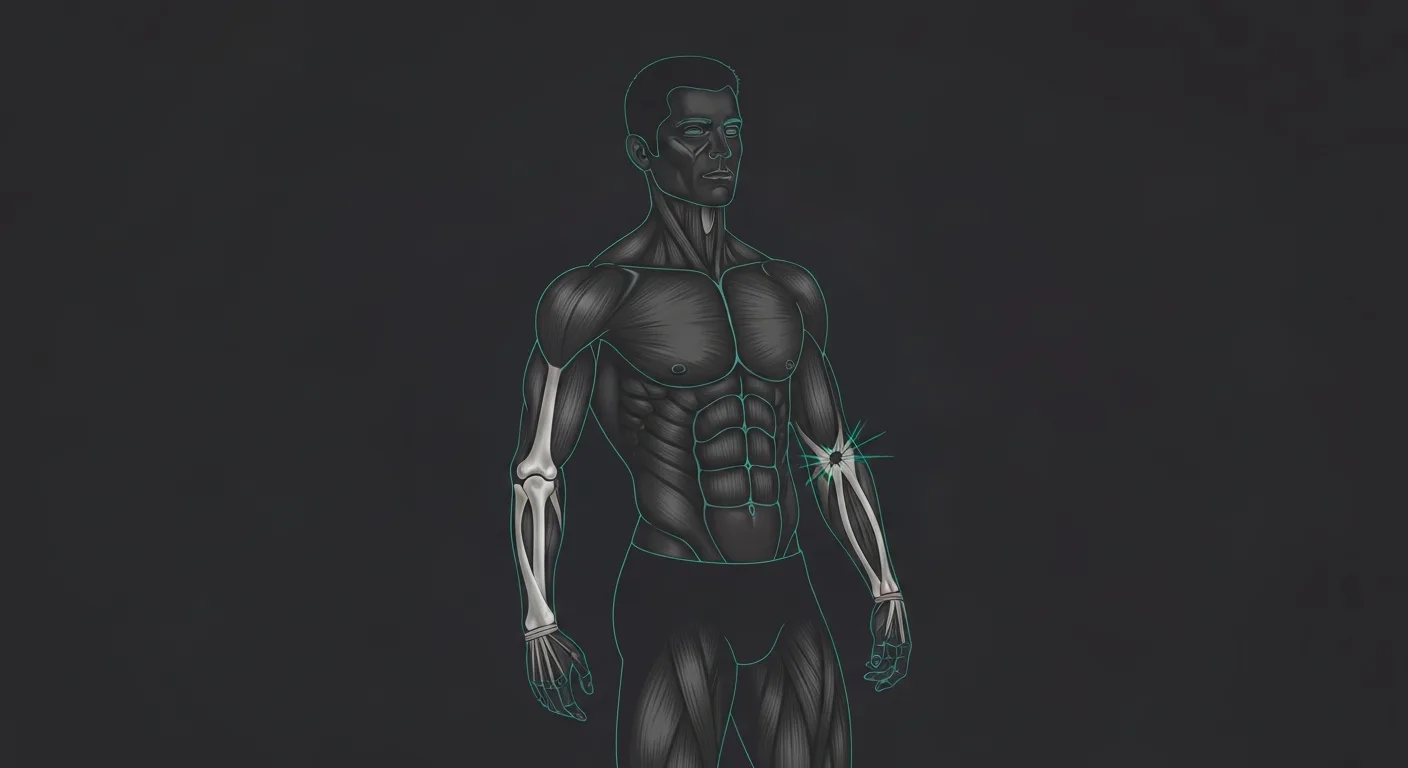
- Tenderness when pressed — a sore spot at the injury site.
What a pulled tricep should NOT have: a popping sensation, visible deformity or gap in the muscle, significant weakness or inability to extend the arm, or large-area bruising. If you have any of these, you may be dealing with a more serious torn tricep that needs medical evaluation.
Common Causes
A pulled tricep usually happens when the muscle is loaded beyond its current capacity. Common scenarios include:
- Lifting a weight that was too heavy without a proper warm-up.
- Sudden, forceful extension — catching yourself during a fall or throwing a ball without warming up.
- Fatigue — the last few reps of a set when form breaks down.
- Unfamiliar exercises — trying a new movement that loads the triceps in an unaccustomed range.
Poor flexibility and inadequate warm-up are the two most modifiable risk factors. Regular tricep stretching and progressive warm-up sets significantly reduce your risk.
Treatment at Home
First 48 to 72 Hours
During the acute phase, the goal is to manage pain and inflammation:
- Rest the arm — avoid exercises and activities that reproduce pain. You do not need a sling unless pain is severe.
- Ice — apply for 15 to 20 minutes every 2 to 3 hours. Wrap the ice in a towel to protect the skin.
- Compression — a light elastic wrap or compression sleeve helps manage swelling.
- Anti-inflammatories — ibuprofen or naproxen as directed can reduce pain and swelling.
Days 3 to 14: Active Recovery
Once acute pain settles, begin gentle rehabilitation:
- Gentle range of motion — slowly bend and straighten the arm through comfortable ranges.
- Light isometric holds — push gently against a wall or table with the arm slightly bent. Hold for 10 seconds without pain.
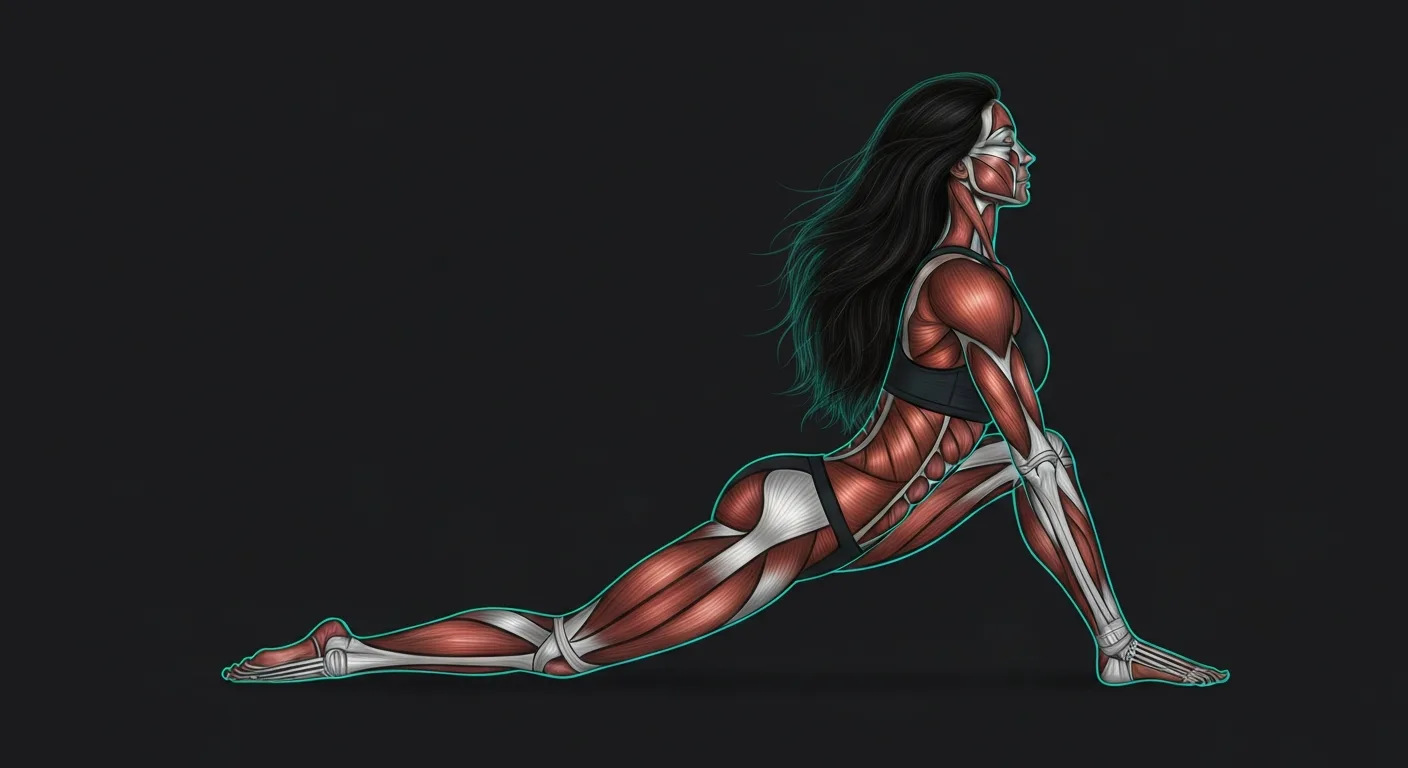
- Gentle stretching — begin overhead tricep stretches at low intensity, holding only to the point of mild tension.
Return to Training
When you can extend the arm through its full range without pain, begin with light exercises: resistance band work, light pushdowns, or bodyweight push-ups on the knees. Increase intensity by no more than 10 to 15 percent per week. Full return to heavy pressing and extension work should wait until the injured area is completely pain-free during and after exercise.
Pulled vs. Torn Tricep
| Feature | Pulled Tricep (Grade 1) | Torn Tricep (Grade 2–3) |
|---|---|---|
| Pain level | Mild to moderate | Moderate to severe |
| Swelling | Minimal | Significant |
| Bruising | Rare | Common |
| Strength loss | Minimal | Noticeable to severe |
| Pop/snap felt | No | Often yes |
| Visible deformity | No | Possible (grade 3) |
| Recovery time | 1 to 3 weeks | 4 weeks to 6 months |
If you are unsure whether your injury is a pull or a tear, err on the side of caution and get it evaluated. An ultrasound can quickly differentiate the two. For full details on the grading system, see our tricep strain grades guide.
Prevention
Warm up with lighter sets before heavy tricep work. Include regular tricep stretches in your routine. Progress training loads gradually. Use kettlebell and band exercises for variety and active recovery. Address trigger points before they develop into compensatory patterns.
Tricep Compression Sleeve
Light compression support for a pulled tricep.
Why we suggest it: Manages mild swelling and provides proprioceptive feedback during healing.
Check Price on Amazon →As an Amazon Associate, we earn from qualifying purchases.
When to See a Doctor
See a doctor if pain does not improve within one week of home treatment, you have significant weakness in the arm, bruising develops and spreads, or you suspect the injury is more than a mild pull. Most pulled triceps heal well with conservative care, but delays in treating a more serious injury can lead to complications.