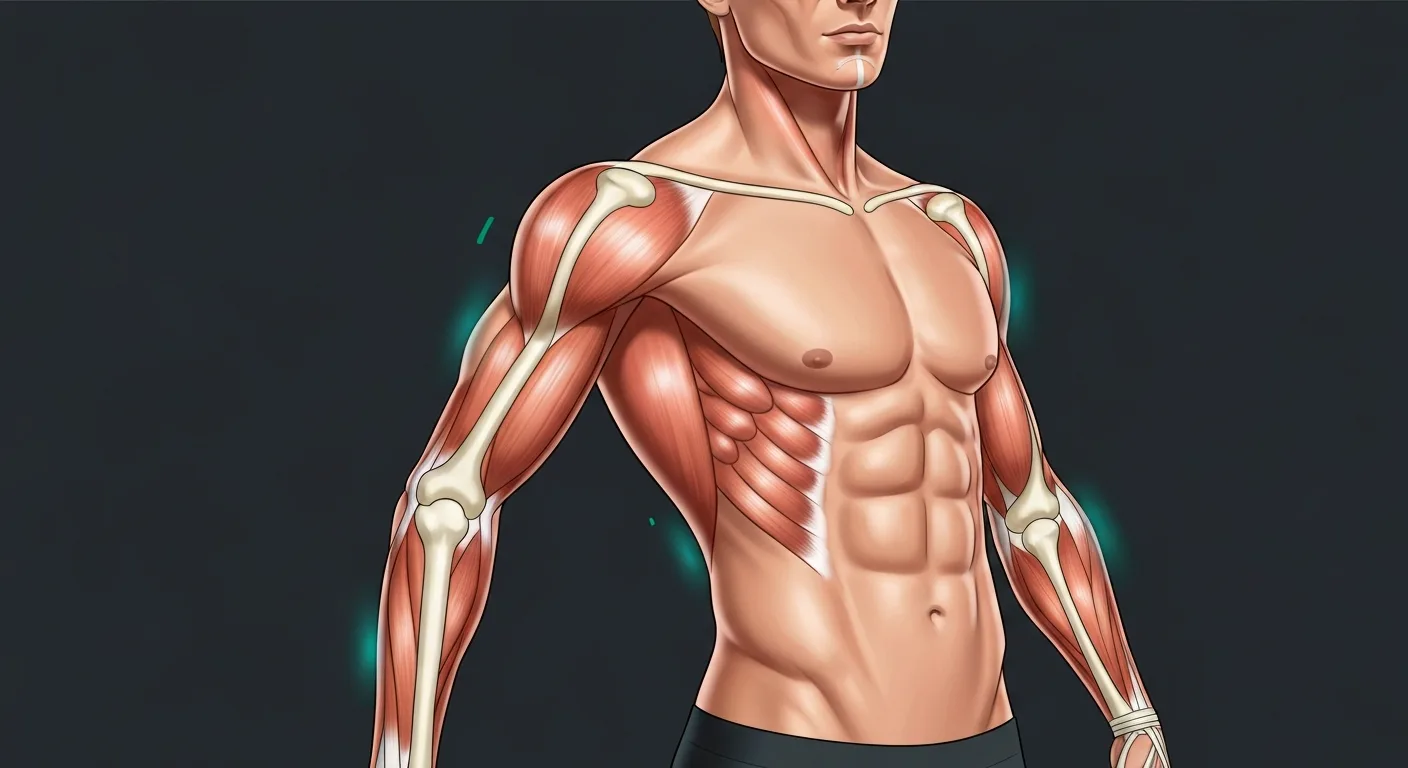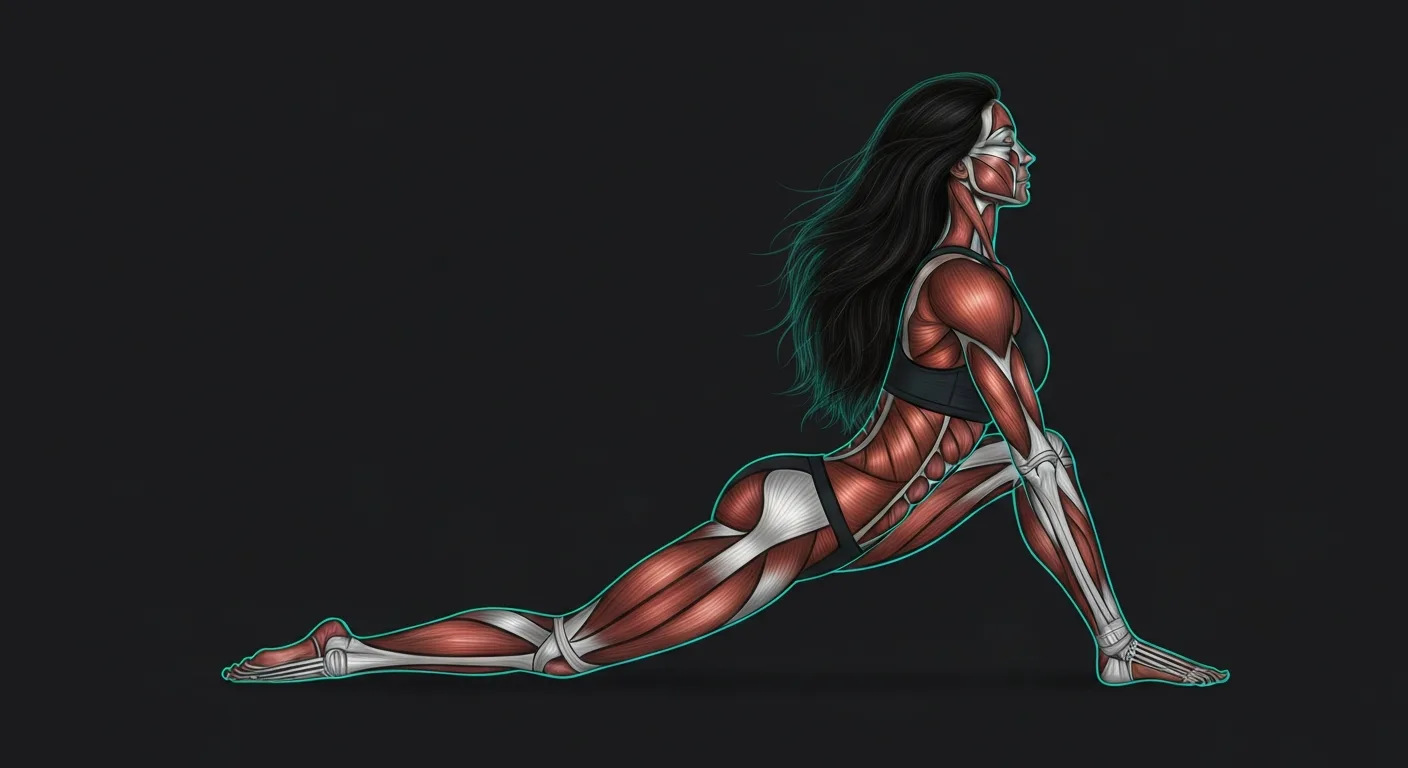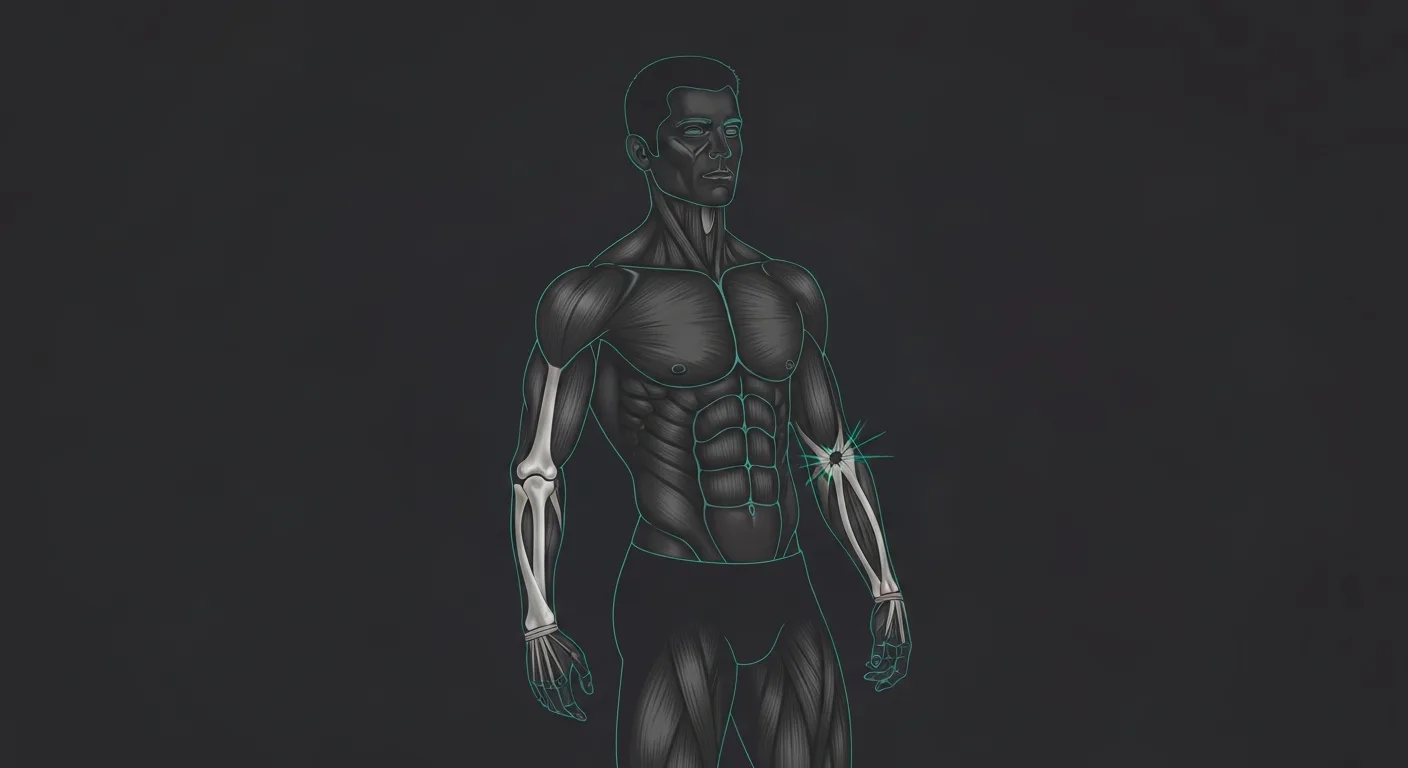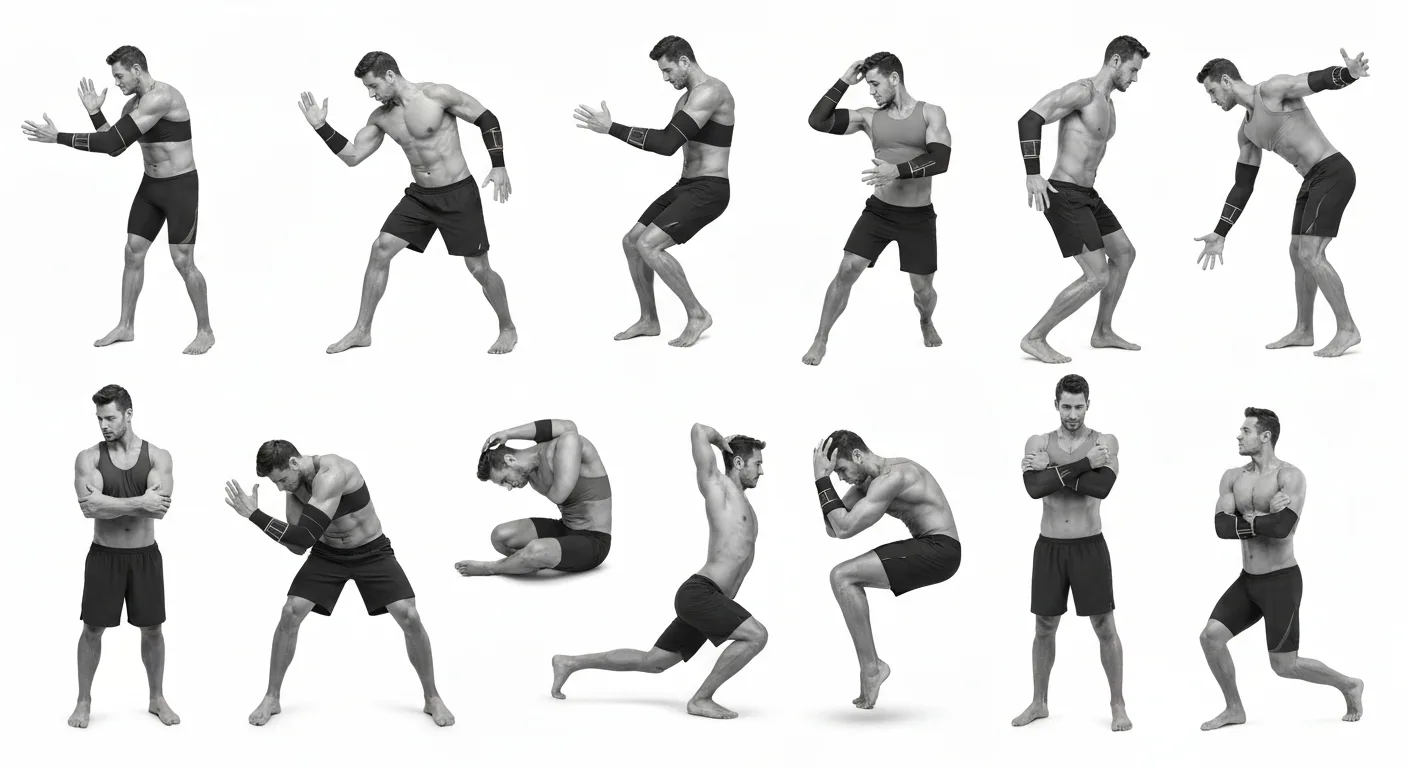
The best brace for tricep tendonitis is a counterforce strap worn just below the elbow. It redistributes force across the distal tricep tendon, reducing stress at the attachment point. For mild cases, a compression sleeve may suffice. For severe cases or post-surgical recovery, a hinged elbow brace provides maximum support.
Three Types of Tricep Support
1. Counterforce Strap (Elbow Band)
A narrow strap worn 1 to 2 inches below the elbow. It works by applying pressure across the tendon, distributing the load over a wider area and reducing peak stress at the insertion point. This is the same mechanism used in tennis elbow straps but positioned for the posterior (back) elbow.
Best for: Active tendonitis during training, elbow pain from workouts, and early return-to-activity phases. Wear during any exercise that loads the triceps — pushdowns, dips, pressing. Remove during rest.
What to look for: Adjustable compression, a gel or silicone pad that sits over the tendon, and a secure Velcro closure that does not slip during movement.
2. Compression Sleeve
A full-arm sleeve that provides uniform compression around the elbow and upper forearm. It increases blood flow, provides warmth that keeps the tendon pliable, and offers mild proprioceptive support. Less targeted than a counterforce strap but more comfortable for all-day wear.
Best for: Mild tendonitis, general elbow discomfort, post-workout recovery, and preventing flare-ups during moderate activity. Also useful for general tricep pain management.
What to look for: Medical-grade compression (15 to 20 mmHg), moisture-wicking material, a silicone anti-slip band at the top, and a snug but not constricting fit.
3. Hinged Elbow Brace
A rigid or semi-rigid brace with hinges that control elbow range of motion. It can limit extension (to protect a healing tendon) or flexion (after surgery). This is the most supportive option but also the most restrictive.
Best for: Post-surgical tricep repair recovery, severe strains (grade 2+), and complete ruptures during conservative management. Typically prescribed by a physician or physical therapist.
When to Use a Brace
A brace is a management tool, not a cure. Use one during activities that provoke pain, while your tendon heals through progressive loading (band exercises, eccentric work), and during the return-to-training phase when the tendon is still rebuilding tolerance. Wean off the brace as symptoms improve — the goal is training without it.
Braces alone do not heal tendonitis. They must be combined with load management and progressive rehabilitation. See our tendonitis healing guide for the complete treatment protocol.
How to Choose
| Severity | Best Option | When to Wear |
|---|---|---|
| Mild (dull ache) | Compression sleeve | During workouts |
| Moderate (pain during exercise) | Counterforce strap | During all tricep-loading activities |
| Severe / post-surgical | Hinged brace | As directed by physician |
If you are unsure which option is right, start with a counterforce strap — it provides the best balance of support and freedom for most active people dealing with elbow pain from training.
Counterforce Elbow Strap
The most effective support for active tricep tendonitis.
Why we suggest it: Targeted pressure across the tendon reduces stress at the attachment point.
Check Price on Amazon →As an Amazon Associate, we earn from qualifying purchases.
Beyond Braces: Complete Recovery
A brace manages symptoms while you address the root cause. Pair it with stretching, trigger point release, and a graduated return to tricep exercises. For equipment to support your rehabilitation, see our complete equipment guide.