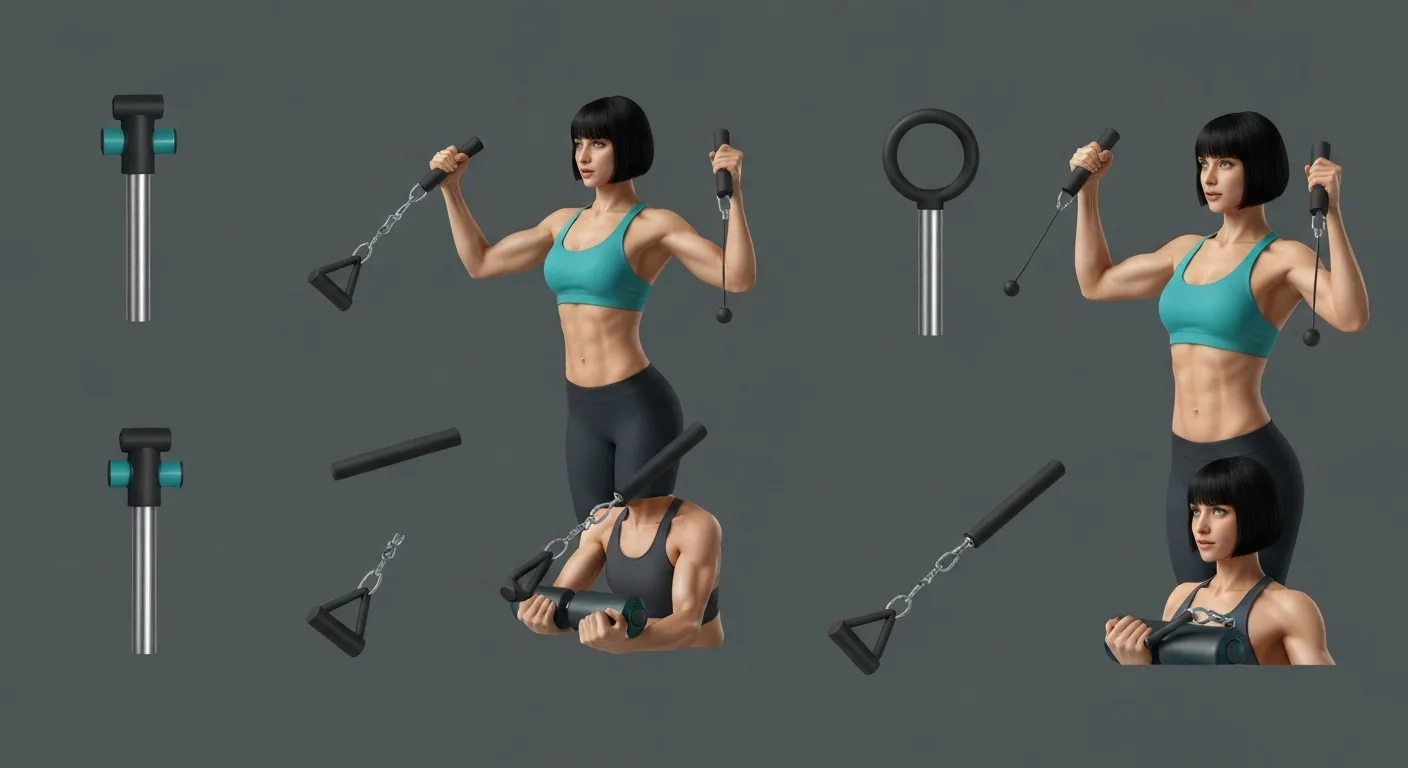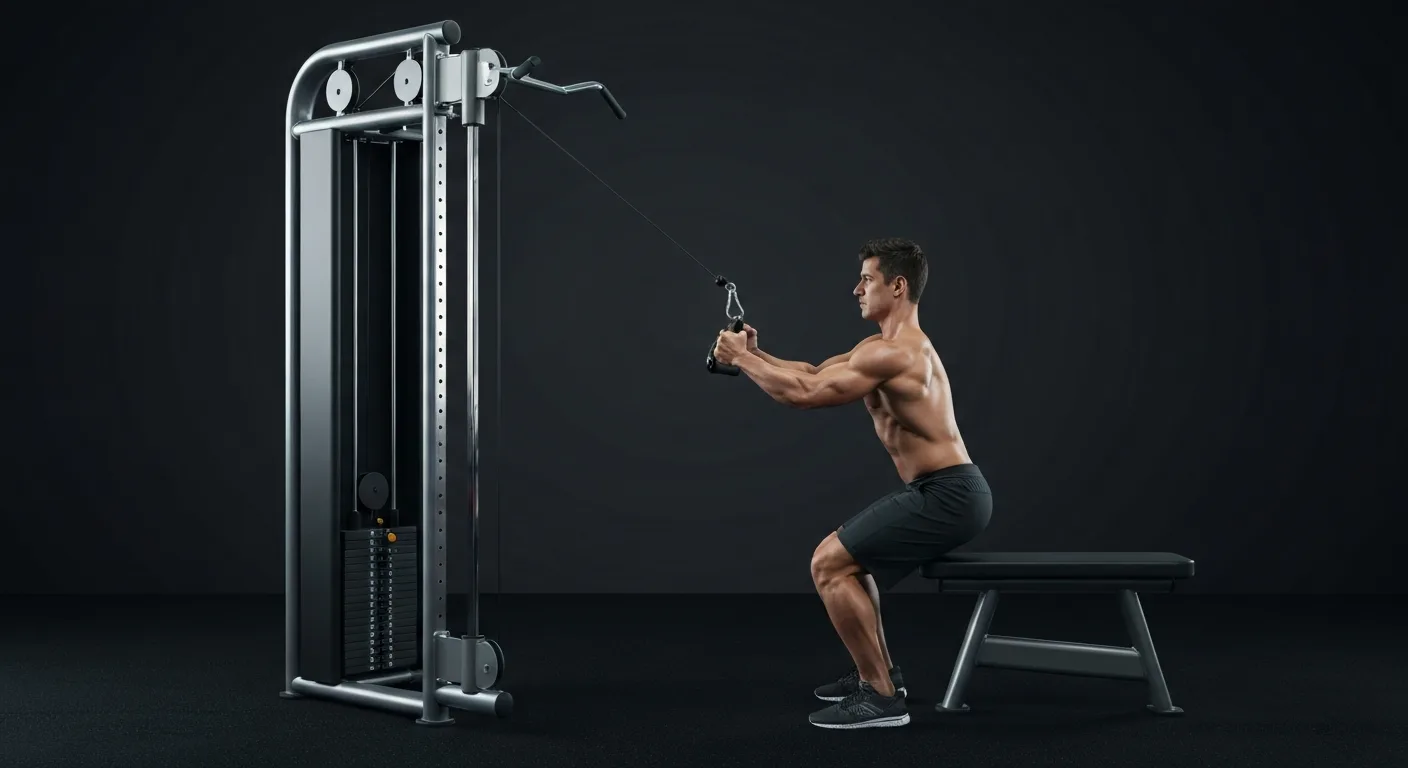
The best tricep machines at the gym are the cable station (most versatile — for pushdowns, overhead extensions, and single-arm work), seated tricep extension machine, assisted dip machine, and Smith machine for close-grip pressing. Each serves a different purpose in a complete program.
1. Cable Station (Best Overall)
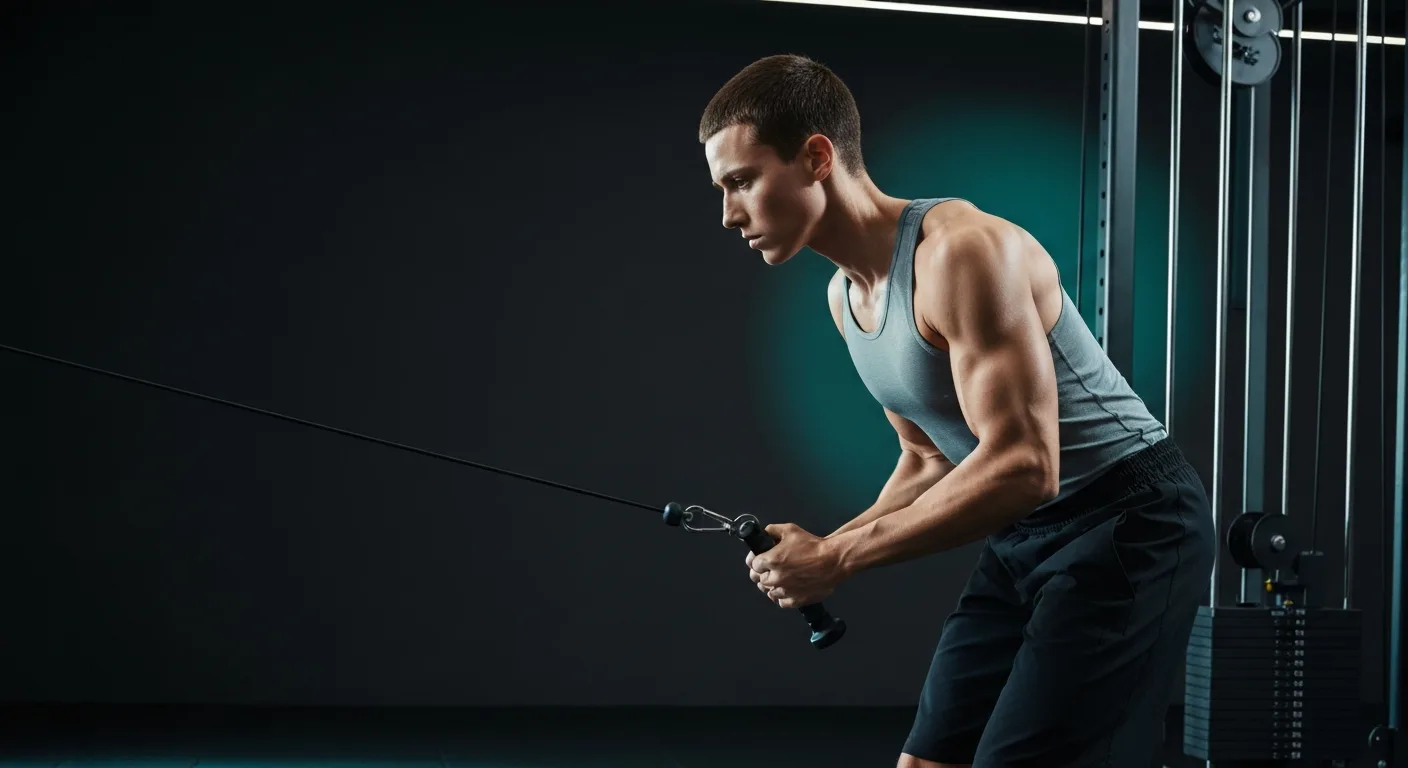
The cable station is the single most important piece of tricep equipment in any gym. It provides constant tension through the full range of motion and can replicate nearly every tricep isolation exercise. Use it for pushdowns (straight bar, rope, V-bar), overhead extensions (facing away), single-arm extensions, and kickbacks.
Why it is the best: Constant tension (no dead spots), adjustable height for any exercise angle, accommodates all attachment types, and scales from rehabilitation to advanced training. If your gym has only one tricep machine option, the cable station is the answer.
2. Seated Tricep Extension Machine
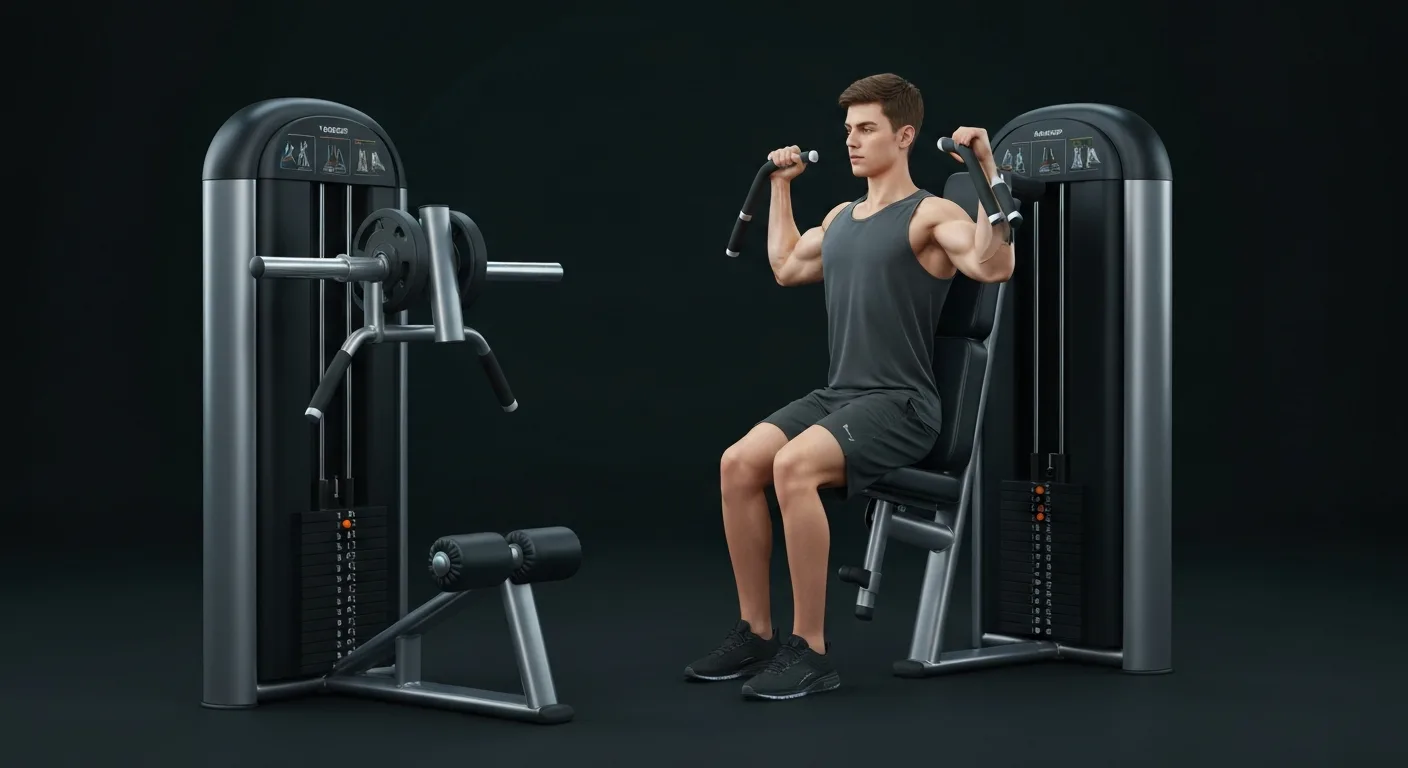
A dedicated machine where you sit with your elbows on a pad and push a handle down by extending the elbows. The pad stabilizes the upper arm, isolating the triceps completely. Available in plate-loaded and selectorized (pin-selected weight stack) versions.
Best for: Beginners learning the extension pattern, high-volume isolation work, and lifters recovering from strains who need guided movement. The fixed path eliminates stabilization demands, allowing pure tricep focus.
3. Assisted Dip Machine
A counterbalanced machine that reduces your effective body weight during dips. Set the counterweight — higher weight means more assistance. This allows beginners to perform dips with proper form and progressively reduce assistance over time.
Best for: Building up to bodyweight dips, very high rep sets, and anyone who cannot perform 5+ bodyweight dips. Also useful during elbow pain recovery when full body weight is too much.
4. Smith Machine (Close-Grip Press)
The Smith machine provides a guided bar path for close-grip bench pressing. Set up as you would a free-weight close-grip bench but with the barbell on fixed rails. The guided path eliminates stabilization demands and allows you to train to near-failure more safely.
Best for: Solo lifters who want to train heavy close-grip pressing without a spotter, and those focusing purely on tricep overload during the lockout.
5. Cable Crossover
A dual-cable station with adjustable pulleys on both sides. Allows bilateral and unilateral work from any angle. Can replicate every cable tricep exercise from the standard cable station with the added option of simultaneous dual-cable movements.
6. Bicep/Tricep Combo Machine
A dual-function machine that allows both curls and tricep extensions by adjusting seat position or attachment. Space-efficient for home gyms and useful for superset training. See our full bicep-tricep machine guide.
Home Cable Pulley System
Wall-mounted cable for home tricep training.
Why we suggest it: Replicates every cable exercise at a fraction of gym cost.
Check Price on Amazon →As an Amazon Associate, we earn from qualifying purchases.
How to Choose
If you have access to a full gym, the cable station should be your primary tricep machine, supplemented by compound free-weight work (dips, close-grip bench). Use dedicated machines (extension machine, dip assist) for specific needs — beginner learning, rehabilitation, or isolation focus.
For home gym buyers, see our complete equipment guide for recommendations that fit different budgets and spaces. A cable pulley system, a set of attachments, and a dip station cover 90+ percent of tricep training needs.