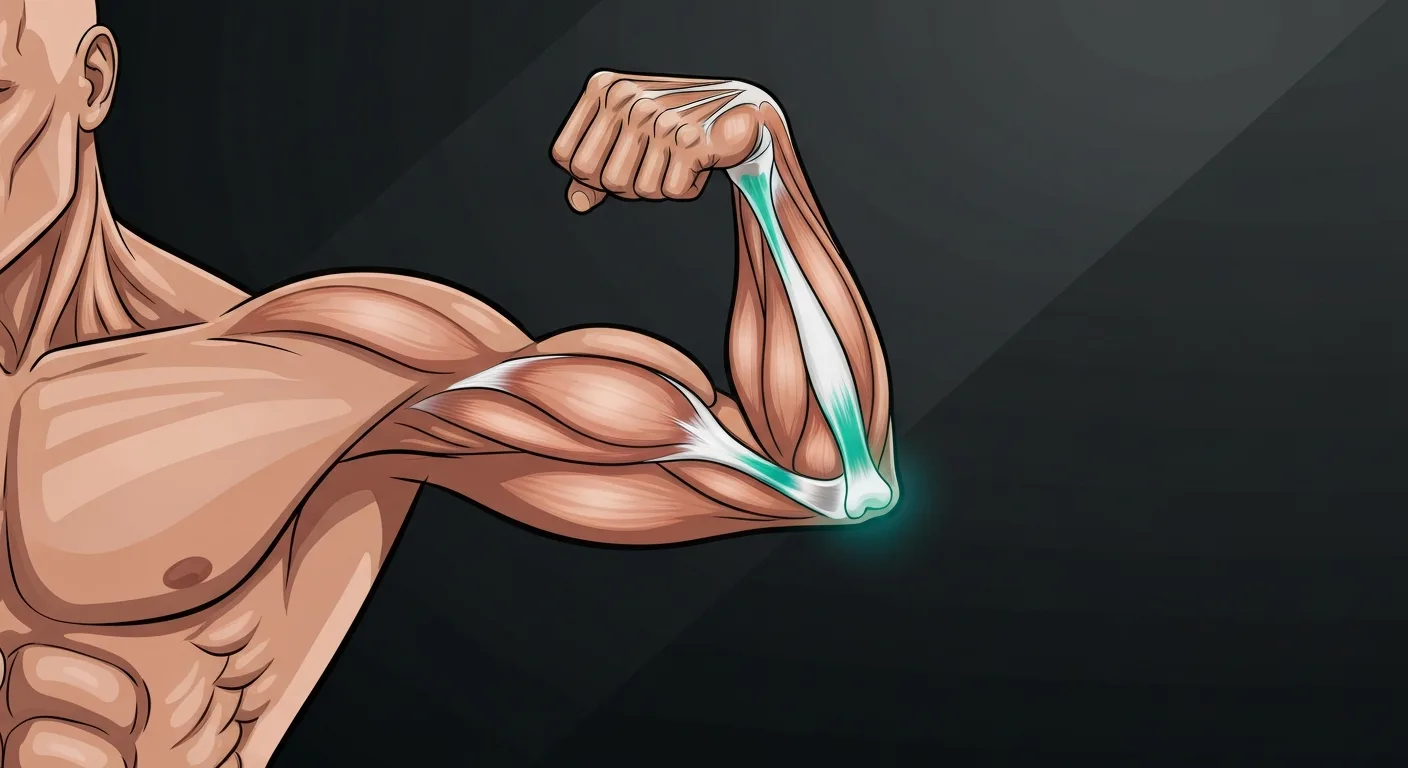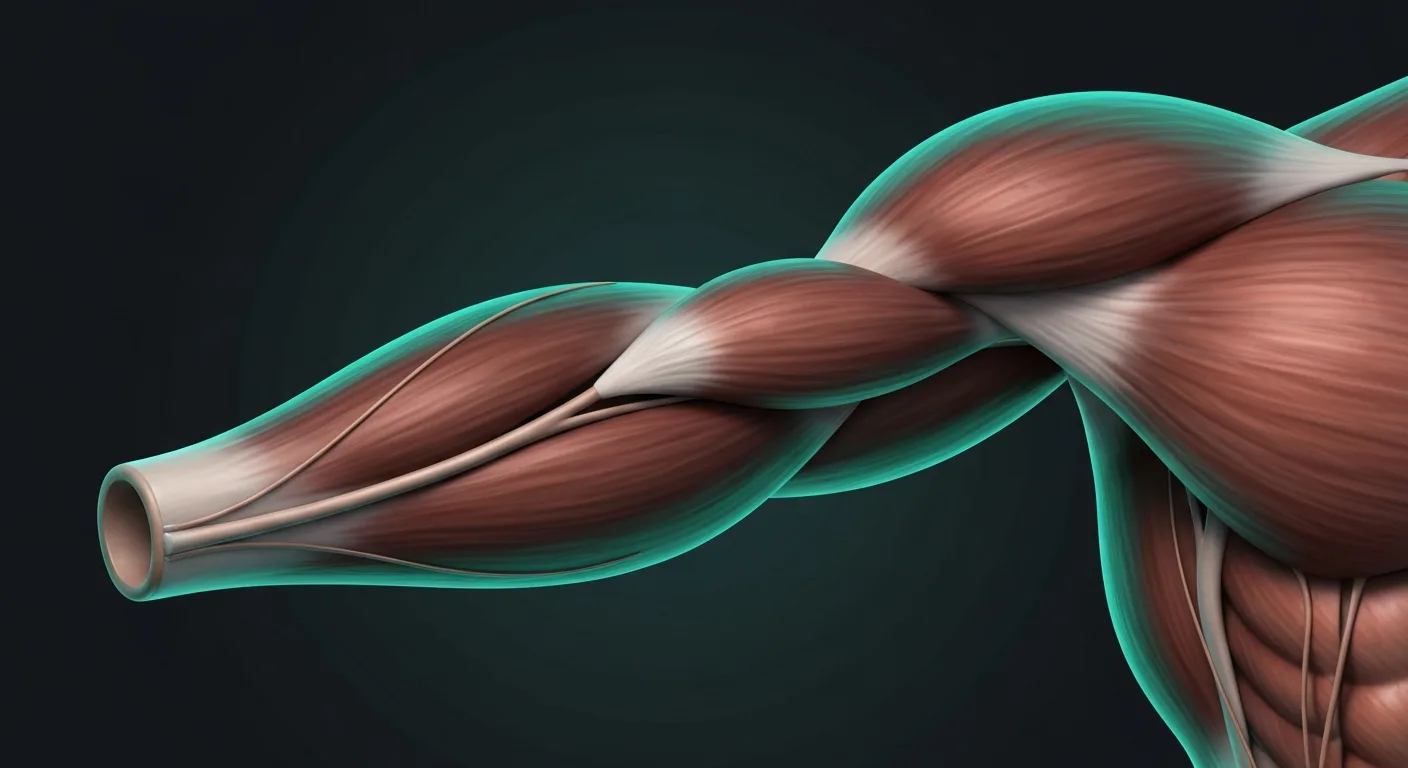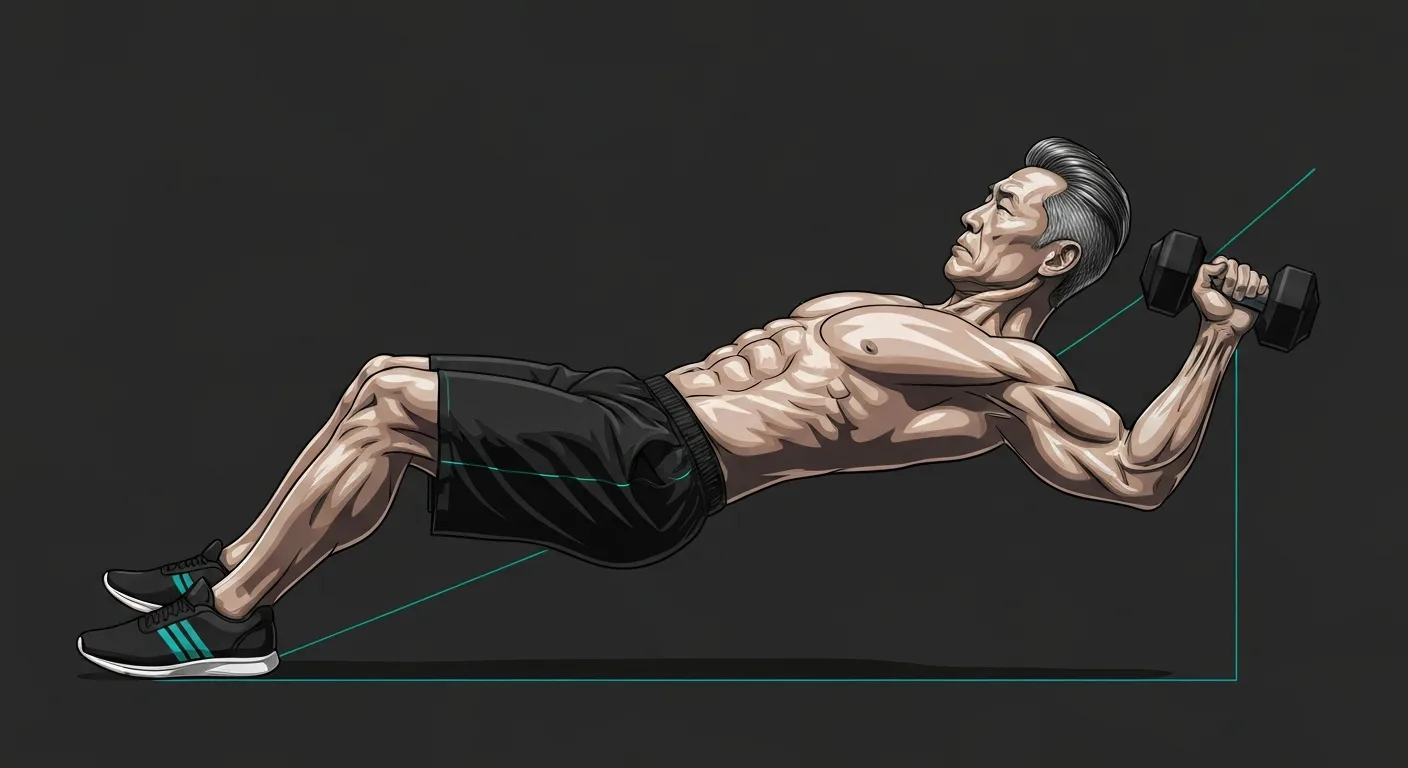
A tricep press is a pressing movement with a narrow grip or arm path that emphasizes the triceps over the chest. The most common form is the close-grip bench press. It works all three heads of the triceps, the anterior deltoid, and the pectoralis major, and is one of the best compound exercises for tricep mass and pressing strength.
What Is a Tricep Press?
"Tricep press" is an umbrella term for any pressing exercise designed to prioritize the triceps. In most gym contexts, it refers to the close-grip bench press. Other exercises that fall under this umbrella include the lying dumbbell tricep press (neutral grip), machine tricep press (seated station with handles), and floor press.
What distinguishes a tricep press from a regular press is the arm path: elbows stay closer to the body, grip is narrower, and the lockout phase — where the triceps work hardest — is emphasized.
Close-Grip Bench Press (Primary Form)
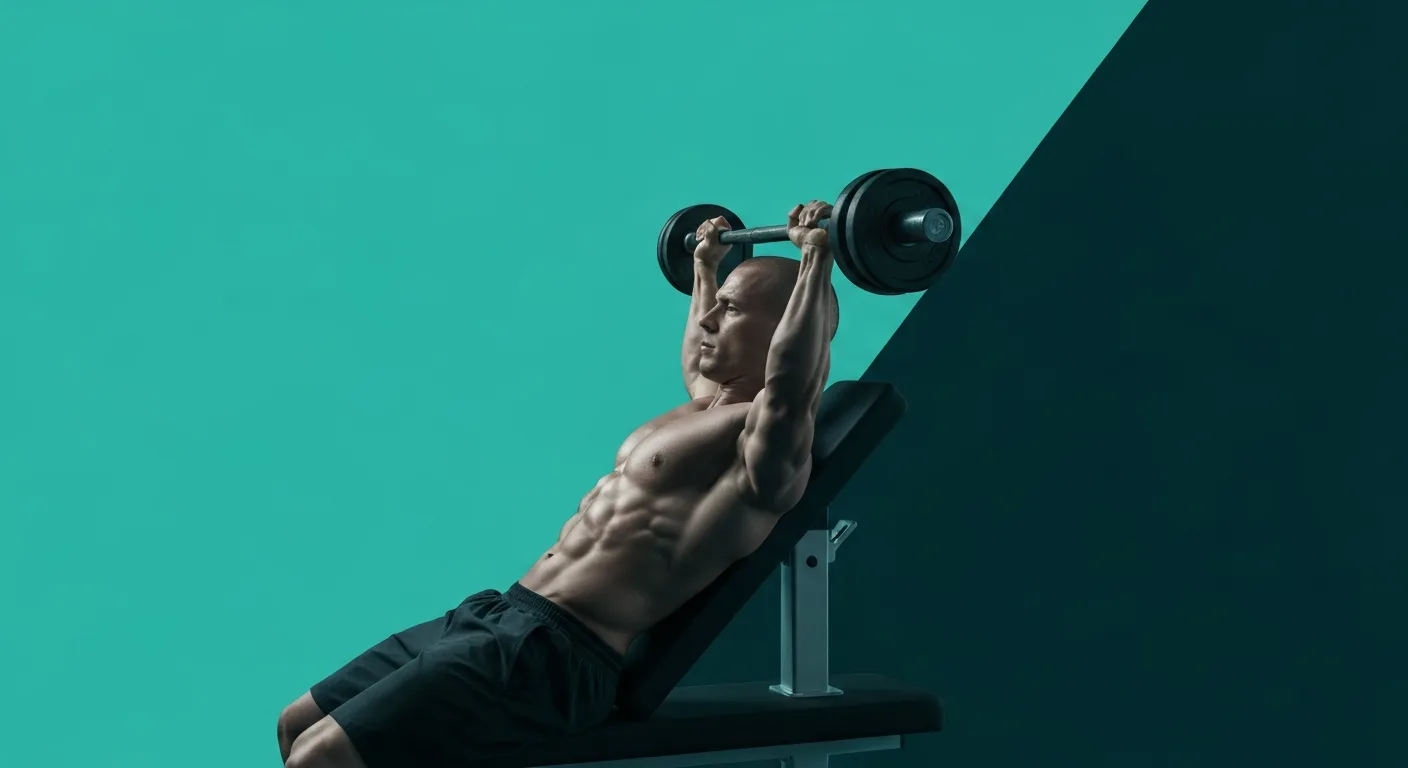
Lie on a bench, grip the barbell at shoulder width (not narrower — too narrow stresses the wrists). Unrack and lower the bar to the mid-chest with elbows at approximately 30 to 45 degrees from the body (tucked in compared to a regular bench press). Press to full lockout, squeezing the triceps at the top.
Key cues: Shoulder-width grip. Elbows tucked. Full lockout. Controlled 2-second descent. This is the exercise most responsible for bench press lockout strength.
Programming: 3 to 4 sets of 6 to 10 reps. Use 70 to 85 percent of your regular bench press weight. Treat as a strength exercise with longer rest periods (2 to 3 minutes).
Lying Dumbbell Tricep Press
Lie on a bench holding dumbbells with a neutral grip (palms facing each other) directly above the chest. Lower the dumbbells toward the outer chest/shoulder area by bending the elbows while keeping the upper arms relatively close to the body. Press back to full lockout. The neutral grip and close arm path emphasize the triceps over the chest.
Programming: 3 sets of 8 to 12 reps. A good alternative to close-grip bench when wrist discomfort is an issue.
Machine Tricep Press
Seated stations at most gym machines that guide the pressing path with handles at chest level. Press forward or upward depending on the machine design. Machines eliminate stabilization demands, allowing pure tricep focus with reduced injury risk. Good for beginners, high-rep work, and rehab. Often combined with a bicep/tricep machine station.
Floor Press Variation
The floor limits the descent, stopping the elbows when they contact the ground. This eliminates the chest-dominant bottom portion and keeps the focus on the tricep-dominant top half. Can be done with barbells, dumbbells, or kettlebells. One of the most underrated tricep exercises.
Muscles Worked
Primary: Lateral head and medial head of the triceps (most active during the lockout), with the long head assisting throughout. Secondary: Anterior deltoid (front shoulder), pectoralis major (chest — less than standard bench press due to the narrower grip and tucked elbows), and core stabilizers.
Tricep Press vs. Regular Bench Press
| Feature | Tricep Press / Close-Grip | Regular Bench Press |
|---|---|---|
| Grip width | Shoulder width | 1.5× shoulder width |
| Elbow path | Tucked (30–45°) | Flared (45–75°) |
| Primary muscle | Triceps | Chest |
| Lockout emphasis | High | Moderate |
| Typical load | 70–85% of bench max | Working max |
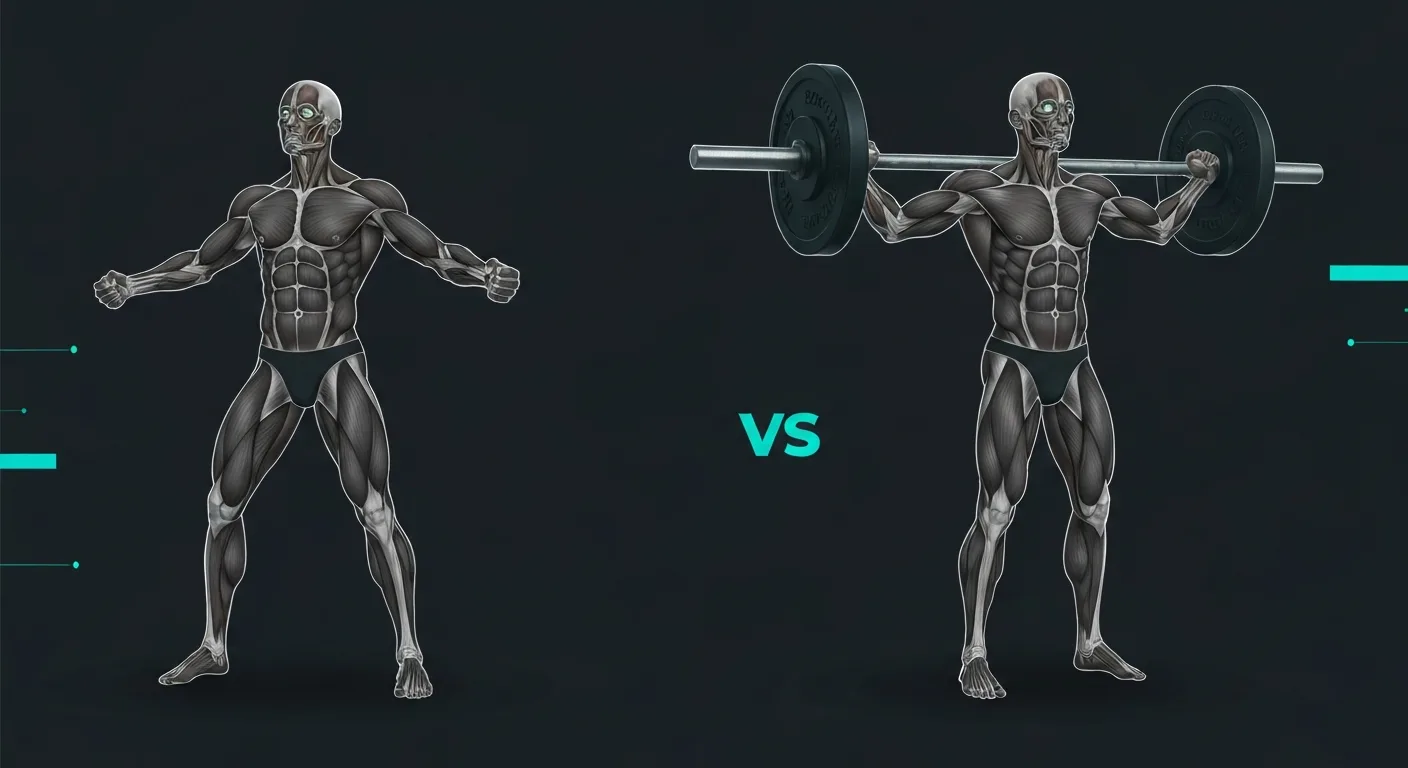
Both exercises build pressing strength, but the tricep press shifts the workload to the arms. Use the regular bench for chest development and the tricep press for lockout strength and arm mass. They complement each other — see our bench press tricep guide for programming both.
Place the tricep press early in your push day after the regular bench press. Follow with isolation work like pushdowns and overhead extensions. See our best exercises ranking for the full picture. Finish with stretching.